

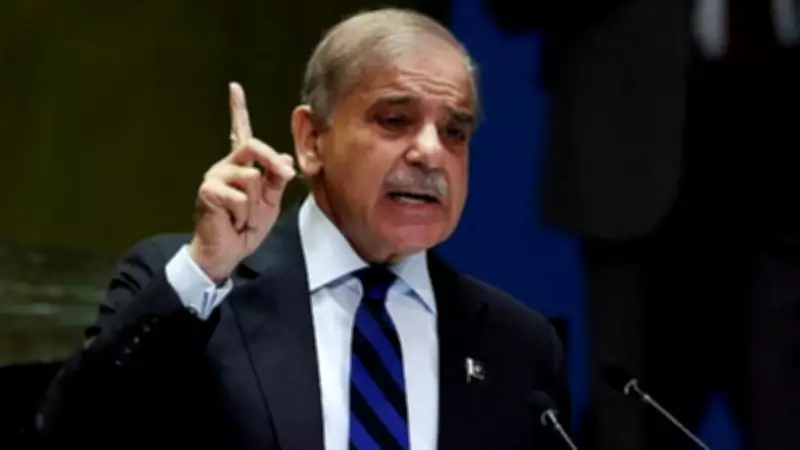
Pakistan's Prime Minister Voices National Shame Over Financial Dependence
In a candid and emotional statement that has captured international attention, Pakistan Prime Minister Shehbaz Sharif has openly expressed profound shame over his country's ongoing need to seek financial assistance from global institutions and nations. The leader's remarks came against the backdrop of Pakistan's recent receipt of a substantial $1.2 billion loan from the International Monetary Fund (IMF), which has provided crucial support for debt repayment and foreign reserve stabilization.
A Leader's Candid Admission of Economic Hardship
Prime Minister Shehbaz Sharif did not mince words when addressing Pakistan's financial predicament, stating with visible emotion that "our heads bow down in shame" at what he described as "begging" for money from around the world. This rare public admission from a sitting head of government highlights the severe economic challenges facing Pakistan, which has increasingly turned to international lenders and donor countries to maintain economic stability.
The IMF's $1.2 Billion Lifeline and Its Impact
The timing of Sharif's statement is particularly significant, coming shortly after Pakistan secured a $1.2 billion loan installment from the International Monetary Fund. This substantial financial injection has served multiple critical purposes for the struggling South Asian economy:

- Facilitating the repayment of existing foreign debts that were approaching maturity dates
- Bolstering dangerously low foreign exchange reserves that had reached concerning levels
- Providing temporary breathing room for economic policymakers to implement structural reforms
- Preventing potential default scenarios that could have triggered broader financial instability
Broader Context of Pakistan's Economic Challenges
Pakistan's economic situation has been deteriorating for several years, with multiple factors contributing to its current dependence on international assistance:
- Chronic Balance of Payments Deficits: The country has consistently imported more than it exports, creating persistent pressure on foreign currency reserves.
- Mounting External Debt: Years of borrowing have created a substantial debt burden that requires regular servicing and repayment.
- Political Instability Impact: Frequent changes in government and policy directions have hindered consistent economic planning.
- Global Economic Headwinds: Rising international interest rates and commodity price fluctuations have exacerbated Pakistan's financial vulnerabilities.
International Reactions and Domestic Implications
The prime minister's unusually frank admission has generated significant discussion both within Pakistan and internationally. While some observers have praised his honesty about the country's economic realities, others have questioned whether such public expressions of shame might affect Pakistan's standing in future negotiations with international financial institutions.
Domestically, the statement has sparked debates about economic sovereignty and the long-term sustainability of relying on external financial support. Many analysts are now watching closely to see whether this moment of public candor will translate into more aggressive economic reforms aimed at reducing Pakistan's dependence on international bailouts in the coming years.
The situation continues to develop as Pakistan navigates its complex economic challenges while maintaining diplomatic relationships with key international partners and financial institutions.






