

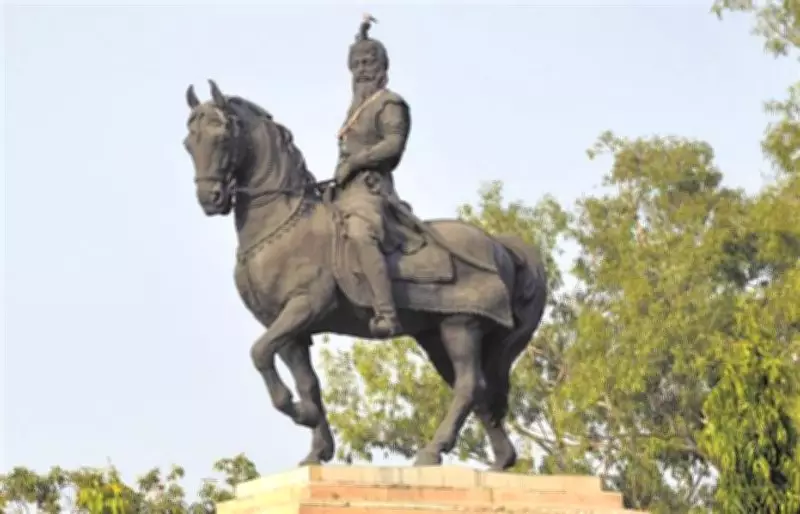
Pakistan Installs Bust of Hari Singh Nalwa at Kartarpur Corridor: Honoring a Sikh Legend
In a significant gesture aimed at promoting cultural harmony and historical recognition, Pakistan has installed a bust of Hari Singh Nalwa, the renowned Sikh general, at the Kartarpur Corridor. This development marks a notable step in acknowledging the rich heritage of the Sikh community and fostering goodwill among pilgrims and visitors to the sacred site.
Who Was Hari Singh Nalwa?
Hari Singh Nalwa was a formidable military commander in the Sikh Empire under Maharaja Ranjit Singh during the early 19th century. Known for his strategic prowess and bravery, he played a crucial role in expanding and defending the empire's territories, particularly in the northwestern regions. His legacy is deeply embedded in Sikh history, symbolizing strength and resilience.
Significance of the Kartarpur Corridor
The Kartarpur Corridor is a visa-free border crossing and a sacred pilgrimage route connecting India's Punjab to Gurdwara Darbar Sahib in Kartarpur, Pakistan. It holds immense religious importance for Sikhs, as it is the final resting place of Guru Nanak Dev Ji, the founder of Sikhism. The installation of Nalwa's bust at this location is seen as an effort to enhance the spiritual and historical experience for devotees.

Implications of This Move
This initiative by Pakistan is expected to have several positive impacts:
- Cultural Diplomacy: It serves as a gesture of goodwill, potentially strengthening ties between India and Pakistan through shared historical narratives.
- Tourism Boost: The bust may attract more visitors to the Kartarpur Corridor, enriching the pilgrimage experience with added historical context.
- Educational Value: It provides an opportunity for pilgrims and tourists to learn about Hari Singh Nalwa's contributions to Sikh and regional history.
Overall, the installation of Hari Singh Nalwa's bust at the Kartarpur Corridor is a commendable step towards honoring Sikh heritage and promoting peace and understanding in the region. It underscores the importance of preserving historical figures who have shaped the cultural landscape of Punjab and beyond.






