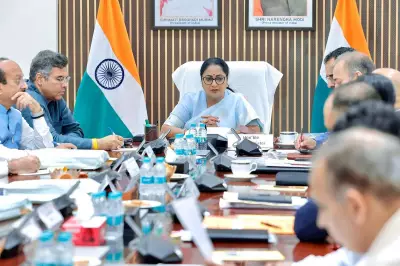
Pakistan has launched a fresh diplomatic offensive, accusing India of violating the long-standing Indus Waters Treaty (IWT) by allegedly misusing its share of water from the western rivers. The charge was formally presented by Pakistan's Commissioner for Indus Waters, Syed Muhammad Mehar Ali Shah, during a crucial meeting of the Permanent Indus Commission (PIC) held in New Delhi from May 20-21.
The Core of Pakistan's Allegations
At the heart of the dispute are two major Indian hydroelectric projects: the Kishanganga Hydroelectric Plant (KHEP) on the Jhelum River and the Ratle Hydroelectric Plant (RHEP) on the Chenab River. Pakistan contends that the design and operational parameters of these projects contravene the provisions of the 1960 treaty. Islamabad asserts that India's actions on these western rivers—the Indus, Jhelum, and Chenab—exceed the "agricultural use" and other non-consumptive uses permitted under the pact.
"India is not allowed to misuse its allowance of water of the western rivers under the IWT," a Pakistani official stated, summarizing their position. The Pakistani delegation argued that the treaty's terms are being stretched, impacting Pakistan's rightful water share.

A Stalled Dispute Resolution Process
The recent PIC meeting, a mandatory annual event under the treaty, ended without a breakthrough. Pakistan has been pushing for the appointment of a Neutral Expert to examine its technical objections to the Indian projects. However, India maintains that these issues should be resolved through the treaty's Court of Arbitration mechanism.
This fundamental disagreement on the forum for dispute resolution has created a protracted deadlock. "Pakistan has made a request for appointment of Neutral Expert with regard to the projects, which is pending," officials confirmed. The impasse highlights the growing strain on the treaty, often hailed as one of the world's most successful water-sharing agreements for its resilience through multiple wars and periods of intense bilateral tension.
Historical Context and Future Implications
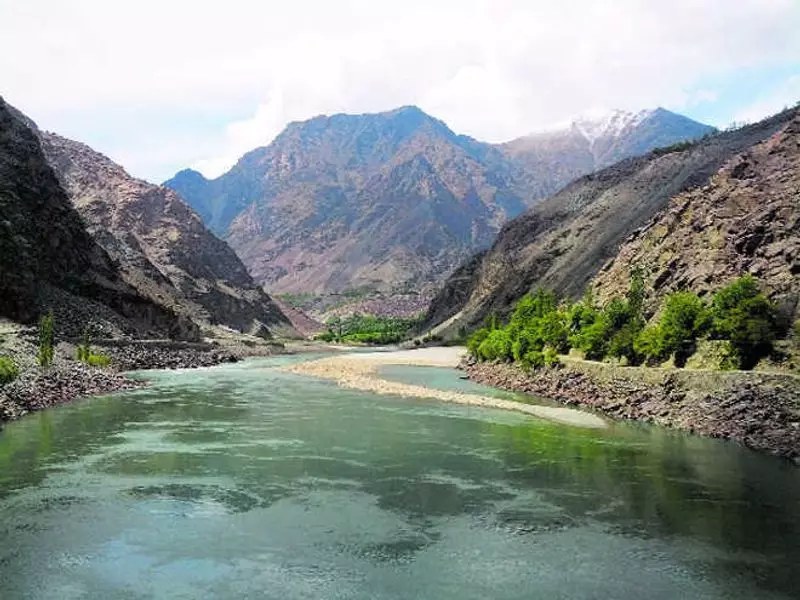
The Indus Waters Treaty, brokered by the World Bank, allocates the use of the six rivers of the Indus system. Under its terms, Pakistan received the rights to the waters of the three western rivers (Indus, Jhelum, Chenab), while India received the rights to the three eastern rivers (Ravi, Beas, Sutlej). India is permitted limited use of the western rivers for specific purposes like hydroelectric power, subject to detailed design constraints.
The persistent disagreement over the Kishanganga and Ratle projects underscores how water resources remain a potent and potentially explosive issue in Indo-Pak relations. The failure to find common ground in the Permanent Indus Commission meeting means the dispute escalates to the next level of the treaty's graded mechanism, involving third-party intervention.
As climate variability and growing populations increase pressure on water resources, the effective management of the Indus Waters Treaty becomes even more critical. The outcome of this dispute will set a significant precedent for how both nations interpret and implement the treaty's clauses in the 21st century, with direct implications for agriculture, energy, and regional stability.