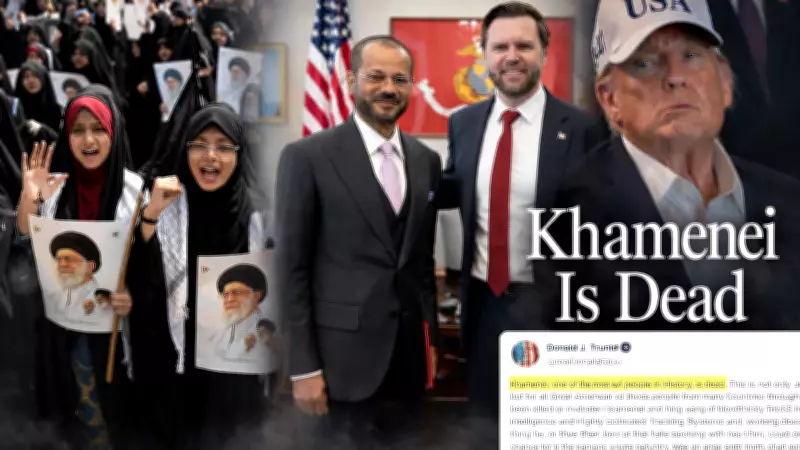
Oman Discloses Iran Offered Zero Uranium Stockpiles in Nuclear Talks
In a surprising revelation, Oman has stated that Iran proposed maintaining zero uranium stockpiles during recent high-stakes nuclear negotiations. This disclosure comes from Omani Foreign Minister Badr bin Hamad Al Busaidi, a key mediator in the talks between the United States and Iran, which concluded in Geneva on February 26.
Diplomatic Progress Amidst Tensions
On February 27, Al Busaidi appeared on CBS News' Face the Nation, where he expressed strong confidence that a peace deal involving the US, Israel, and Iran was within reach. He emphasized that negotiators had convened specifically to address Tehran's nuclear program, aiming to prevent an escalation into war.
"I don't think any alternative to diplomacy is going to solve this problem," Al Busaidi asserted, reinforcing his belief in the viability of a diplomatic resolution. His comments highlighted the significant strides made in the talks, with Iran's offer of zero uranium stockpiles marking a potential breakthrough in reducing nuclear proliferation risks.

Trump's Military Action Raises Questions
Despite this diplomatic progress, former US President Donald Trump launched a military attack, sparking widespread confusion and concern. Analysts are now questioning the rationale behind Trump's decision, given Iran's apparent concession on uranium stockpiles, which could have de-escalated tensions.
The timing of the attack, following closely on the heels of the Geneva talks, suggests a possible disconnect between diplomatic efforts and military strategies. This incident underscores the fragile nature of international relations and the challenges in balancing negotiation with force.
Implications for Future Negotiations
Oman's role as a mediator has been crucial in facilitating dialogue between adversarial nations. Al Busaidi's statements serve as a reminder of the importance of sustained diplomatic engagement in resolving complex geopolitical issues.
- Iran's Zero Uranium Offer: A significant concession that could have paved the way for a comprehensive nuclear agreement.
- Trump's Response: The military attack has cast doubt on the US's commitment to diplomatic solutions, potentially undermining future talks.
- Regional Stability: The situation highlights the ongoing volatility in the Middle East and the need for coordinated international efforts to ensure peace.
As the world watches, the fallout from these events may influence how nations approach nuclear diplomacy and conflict resolution in the coming years.