

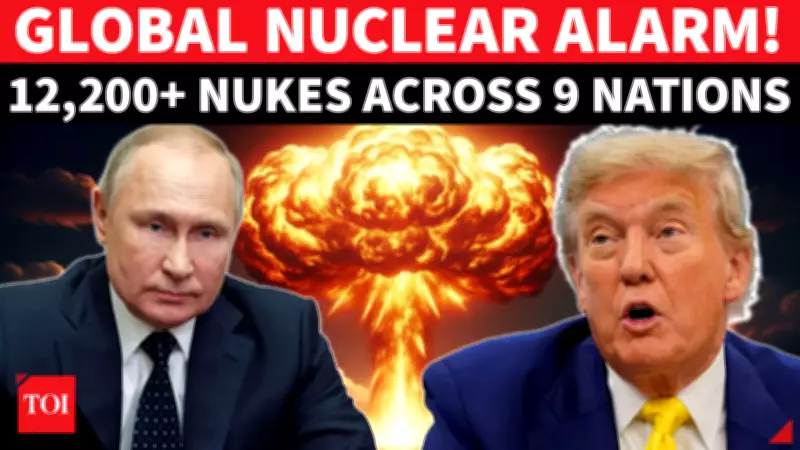
Nuclear Arms Control Collapses: 12,200+ Warheads Unrestricted Across 9 Nations
The world has entered its most perilous nuclear phase since the height of the Cold War. The expiration of the New START treaty has left the United States and Russia without any binding agreement to limit their vast nuclear arsenals. This critical development removes long-standing caps on deployed strategic warheads and eliminates transparency rules that once mandated mutual notifications of nuclear movements.
Unprecedented Nuclear Freedom
Washington and Moscow collectively control approximately 86 percent of the world's nuclear weapons, with their arsenals now operating without enforceable restrictions. The treaty's lapse means that both nations can theoretically expand their nuclear capabilities without oversight, though experts suggest an immediate, full-scale arms race remains unlikely in the short term.
Last-minute diplomatic efforts have yielded only temporary restraint measures, failing to establish a new comprehensive framework. This absence of formal limits significantly increases the risk of miscalculation and rapid escalation in international conflicts, creating a volatile global security environment.

Global Nuclear Landscape
The situation extends beyond the two superpowers. A total of nine nations now possess nuclear weapons, with over 12,200 warheads distributed among them. The lack of US-Russia controls could potentially influence nuclear policies and postures worldwide, affecting strategic stability across multiple regions.
While the immediate focus remains on American and Russian arsenals, the broader implications for global non-proliferation efforts and regional security dynamics are profound. The international community faces renewed challenges in maintaining nuclear deterrence without escalating tensions to dangerous levels.
This development marks a significant regression in decades of arms control progress, returning major powers to an era of nuclear uncertainty with far-reaching consequences for global peace and security.






