

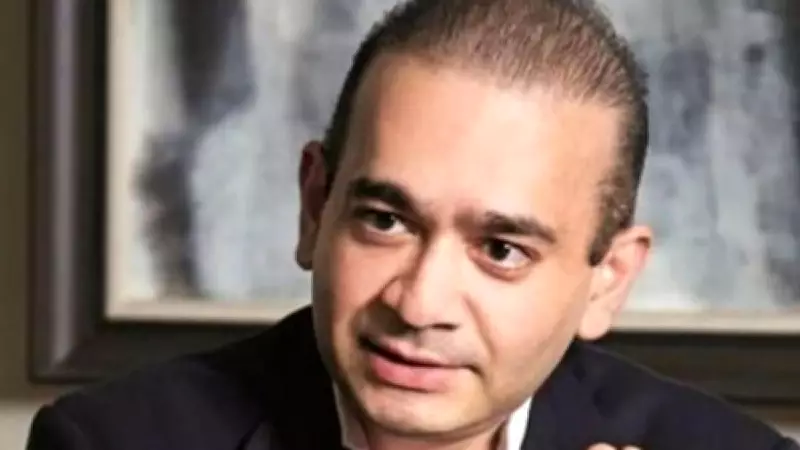
Nirav Modi Files to Reopen UK Extradition Case Over Alleged Torture Risk in India
Fugitive diamantaire Nirav Modi has initiated a legal bid to reopen his extradition case in the United Kingdom, citing a 'real risk of torture' if he is returned to India. This move comes nearly six years after his extradition was ordered by UK authorities, marking a significant development in the long-running legal saga.
Legal Arguments and Opposition from the Crown Prosecution Service
The Crown Prosecution Service, which represents the Indian government in UK courts, has strongly opposed Modi's application. They argue that the grounds for reopening the case are insufficient, as the extradition order was finalized years ago. The prosecution maintains that the legal process has been exhausted and that Modi's claims do not warrant a review.
In court proceedings, the Crown Prosecution Service emphasized that the original extradition decision was based on thorough evidence and legal standards. They contend that reopening the case would set a problematic precedent and undermine the finality of judicial rulings in extradition matters.

Background of the Extradition Case
Nirav Modi, a key figure in the Punjab National Bank fraud scandal, has been fighting extradition from the UK since his arrest in 2019. The case involves allegations of financial misconduct and fraud amounting to billions of rupees, which have drawn widespread attention in India and internationally.
The extradition order was initially upheld by UK courts after extensive hearings, with judges ruling that Modi should face trial in India. His latest attempt to reopen the case centers on human rights concerns, specifically the risk of torture or inhumane treatment in Indian prisons.
Implications and Next Steps
If successful, Modi's bid could delay or potentially overturn his extradition, adding another layer of complexity to the legal battle. However, legal experts note that such applications face high hurdles, as courts typically require compelling new evidence to reconsider settled cases.
The outcome of this hearing could influence future extradition cases involving human rights claims, particularly between the UK and India. It also highlights the ongoing challenges in cross-border legal cooperation and the enforcement of international justice.
As the case proceeds, stakeholders including the Indian government, UK authorities, and international observers will closely monitor developments. The decision is expected to have significant ramifications for Modi's legal fate and for broader diplomatic relations between the two countries.






