

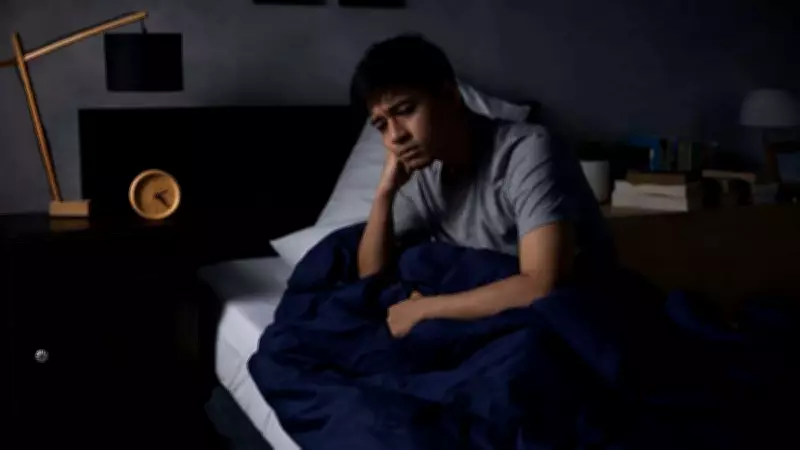
War Anxiety and Sleep Hyperarousal: A Deep Dive into Mental Health Impacts
In today's interconnected world, global conflicts and news of wars can have profound effects on mental health, even for those not directly involved. One significant consequence is the development of war anxiety, which often manifests as sleep hyperarousal—a condition where the body remains in a heightened state of alertness, making restful sleep nearly impossible. This article explores the intricate relationship between war anxiety and sleep disturbances, shedding light on symptoms, underlying causes, and effective coping mechanisms.
What is War Anxiety?
War anxiety refers to the persistent fear, worry, and stress triggered by exposure to news, images, or discussions about wars and conflicts. It can affect individuals of all ages, particularly in an era of 24/7 media coverage and social media updates. Common symptoms include:
- Constant feelings of unease or dread
- Difficulty concentrating on daily tasks
- Physical symptoms such as headaches or stomach issues
- Emotional distress, including sadness or irritability
This anxiety is not limited to those in war zones; it can impact people globally, as the psychological toll of witnessing violence and instability from afar can be significant.

Understanding Sleep Hyperarousal
Sleep hyperarousal is a state where the nervous system remains overly active, preventing the body from relaxing enough to fall asleep or stay asleep. It is often linked to stress and anxiety disorders, including war anxiety. Key characteristics include:
- Difficulty falling asleep despite feeling tired
- Frequent awakenings during the night
- Light, non-restorative sleep
- Increased heart rate or sweating at night
This condition disrupts the natural sleep cycle, leading to fatigue, impaired cognitive function, and a weakened immune system over time.
The Connection Between War Anxiety and Sleep Disruptions
The link between war anxiety and sleep hyperarousal is rooted in the body's stress response. When exposed to distressing news about conflicts, the brain perceives a threat, activating the fight-or-flight response. This releases stress hormones like cortisol and adrenaline, which keep the body alert and ready for danger. As a result:
- Heightened Alertness: The mind stays vigilant, making it hard to wind down at bedtime.
- Rumination: Worrying thoughts about war scenarios can loop in the mind, preventing relaxation.
- Physical Tension: Muscles may remain tense, further hindering sleep.
Over time, this cycle can lead to chronic insomnia and exacerbate mental health issues such as depression or anxiety disorders.
Coping Strategies for War Anxiety and Sleep Hyperarousal
Managing these conditions requires a multifaceted approach. Here are some effective strategies:
- Limit Media Exposure: Reduce time spent consuming war-related news, especially before bedtime, to minimize triggers.
- Practice Relaxation Techniques: Engage in activities like deep breathing, meditation, or yoga to calm the nervous system.
- Establish a Sleep Routine: Create a consistent bedtime schedule and a relaxing pre-sleep environment to signal the body it's time to rest.
- Seek Professional Help: If symptoms persist, consider consulting a therapist or counselor for tailored support, such as cognitive-behavioral therapy.
- Stay Connected: Talk to friends or family about your feelings to reduce isolation and gain emotional support.
By addressing both the anxiety and sleep issues, individuals can improve their overall well-being and resilience in the face of global stressors.
In summary, war anxiety and sleep hyperarousal are interconnected challenges that demand attention in our modern world. Understanding their dynamics and implementing proactive measures can help mitigate their impact, fostering better mental health and restorative sleep for those affected by the echoes of distant conflicts.






