

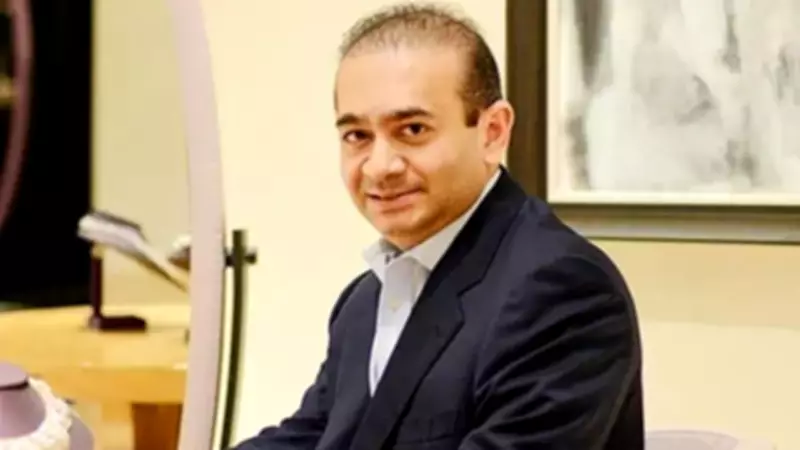
Nirav Modi Battles Extradition in London Court Over Torture Allegations
Fugitive diamond merchant Nirav Modi made a virtual appearance at the High Court in London on Tuesday, seeking to overturn a previous dismissal of his appeal against extradition to India. His legal team argued that compelling new evidence has emerged, highlighting a significant risk of torture by Indian investigating agencies if he is returned.
New Legal Precedent Cited as "Supervening Event"
Edward Fitzgerald, representing Modi, pointed to a February 2025 judgment in the case of defence middleman Sanjay Bhandari as a critical development. In that ruling, the court rejected Bhandari's extradition on human rights grounds, stating he faced a "real risk of torture" by Indian agencies. Fitzgerald asserted this constitutes a "supervening event" that warrants reopening Modi's case, as he would similarly be interrogated by the Central Bureau of Investigation (CBI) and Enforcement Directorate (ED) upon extradition.
Under UK law, extradition appeals can only be revisited if substantial new evidence surfaces. The Bhandari judgment notably declared that the use of torture to extract confessions in India is "commonplace and endemic," a claim Fitzgerald emphasized to bolster Modi's position.

Sovereign Assurance Versus Allegations of Agency Independence
Helen Malcolm KC, representing the Indian government, countered by presenting a sovereign assurance that neither the CBI, ED, nor any other agency would interrogate Modi if extradited. She argued that the documentary evidence against him is robust and accused Modi of "manipulating the judicial process," referencing past allegations of witness intimidation and evidence destruction.
However, Fitzgerald challenged this assurance, relying on testimony from Modi's former Indian counsel, Ashul Agarwal, and retired Supreme Court judge Justice Verma. He contended that the central government cannot control independent agencies like the CBI and ED, stating, "They are not parrots in cages like the Supreme Court said," a reversal of arguments used in the Vijay Mallya extradition case. Justice Verma's evidence suggested Delhi "cannot provide enforceable assurances on behalf of these agencies."
Diplomatic Implications and Judicial Reservations
Lord Justice Stuart-Smith acknowledged the gravity of the situation, noting that a breach of the sovereign assurance could lead to a "breakdown of trust between the UK and India," potentially causing diplomatic turmoil. Fitzgerald further alleged that India "routinely disregards the rule of law" regarding interrogation and torture, claiming that prison officers at facilities like Arthur Road Jail are powerless against CBI influence.
The hearing was observed by three CBI officers who traveled to London, while Modi participated via video link from Pentonville prison. After arguments from both sides, the court reserved its judgment, leaving the outcome pending further deliberation.






