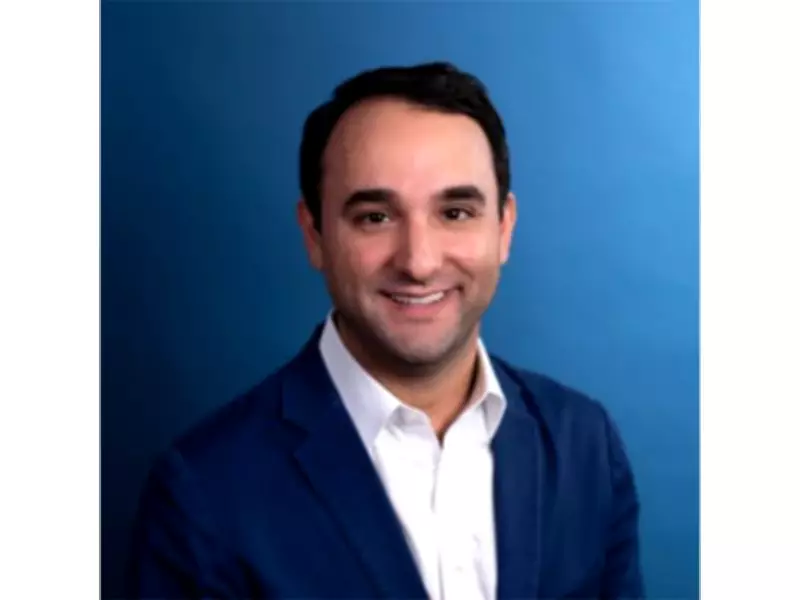
The White House has announced the appointment of Nick Stewart as an adviser to the diplomatic team responsible for peace negotiations with Iran. This strategic move is intended to bolster the United States' diplomatic efforts and enhance the prospects for a peaceful resolution to ongoing tensions with Tehran.
Background of the Appointment
Nick Stewart brings extensive experience in international diplomacy and conflict resolution to his new role. His expertise is expected to provide valuable insights into the complex dynamics of the Iran negotiations. The appointment comes at a critical juncture, as the United States seeks to revive dialogue and address key issues such as Iran's nuclear program and regional security concerns.
Role and Responsibilities
As an adviser, Stewart will work closely with the diplomatic team to develop strategies and approaches for the peace talks. His responsibilities include analyzing negotiation frameworks, advising on communication tactics, and coordinating with international partners. The White House emphasized that Stewart's appointment reflects its commitment to pursuing diplomatic solutions and fostering stability in the Middle East.

Reactions and Implications
The announcement has drawn mixed reactions from political analysts and foreign policy experts. Some view the appointment as a positive step towards constructive engagement, while others remain skeptical about the prospects for a breakthrough. The move underscores the Biden administration's prioritization of diplomacy over military action in addressing the Iran issue.
Stewart's appointment is expected to inject fresh perspectives into the negotiation process. His background in mediating international disputes and his familiarity with the region's political landscape are seen as assets. The White House has expressed confidence that his contributions will help advance the peace talks and promote long-term stability.
Broader Context
The Iran peace talks are part of a broader effort by the United States to re-engage with Iran following the withdrawal from the Joint Comprehensive Plan of Action (JCPOA) in 2018. The talks aim to address not only the nuclear issue but also regional conflicts involving Iran-backed groups. Stewart's appointment signals a renewed focus on comprehensive diplomacy.
In addition to his advisory role, Stewart will liaise with key stakeholders, including European allies and UN representatives, to ensure a coordinated approach. The White House has stressed the importance of multilateral cooperation in achieving a durable agreement.
Analysts suggest that Stewart's appointment could help bridge gaps between the negotiating parties. His experience in handling sensitive negotiations and his reputation for impartiality may facilitate trust-building. However, challenges remain, including deep-seated mistrust and divergent interests between the US and Iran.
The appointment of Nick Stewart is the latest in a series of diplomatic moves by the White House to recalibrate its Iran policy. Observers will be watching closely to see how his presence influences the trajectory of the talks and whether it leads to tangible progress in the coming months.