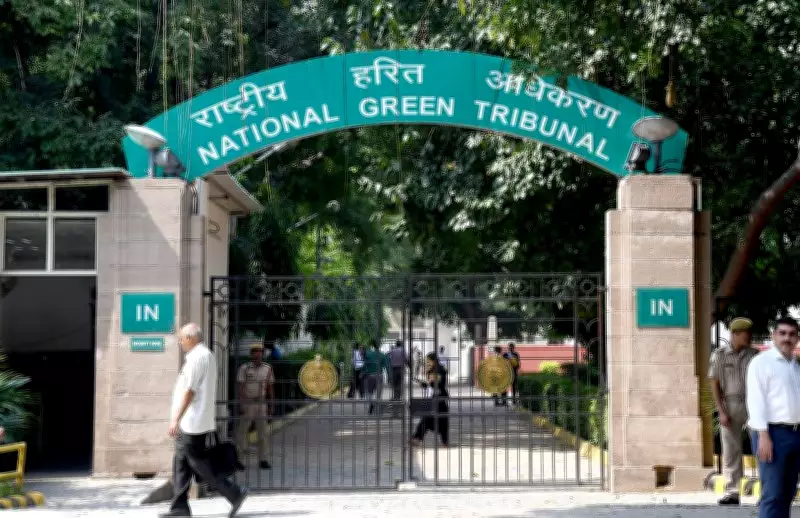
NGT Approves Great Nicobar Project with Strict Environmental Safeguards
The National Green Tribunal (NGT) has granted approval for the ambitious Great Nicobar Island project, a significant infrastructure initiative in the Andaman and Nicobar Islands. This decision comes with a set of stringent environmental safeguards aimed at mitigating potential ecological impacts and ensuring sustainable development.
The project, which involves the development of a transshipment port, an airport, and a township, is designed to boost economic growth and strategic capabilities in the region. However, it has faced scrutiny due to concerns over its environmental footprint, particularly regarding the island's rich biodiversity and indigenous communities.
Key Environmental Safeguards Imposed by NGT
In its ruling, the NGT has mandated several critical measures to protect the fragile ecosystem of Great Nicobar Island. These include:

- Comprehensive Environmental Impact Assessment (EIA): The project must undergo a detailed EIA to identify and address potential risks to flora and fauna.
- Strict Monitoring Mechanisms: Continuous monitoring of air, water, and soil quality will be enforced to prevent pollution and degradation.
- Protection of Indigenous Communities: Safeguards are in place to ensure the rights and livelihoods of local tribes are not adversely affected.
- Biodiversity Conservation Plans: Specific measures to conserve endangered species and habitats, including reforestation and wildlife corridors.
These safeguards are intended to balance development goals with environmental preservation, reflecting a growing emphasis on sustainable practices in large-scale infrastructure projects across India.
Implications for Development and Conservation
The approval of the Great Nicobar project marks a pivotal moment in India's infrastructure landscape. Proponents argue that it will enhance connectivity, create jobs, and strengthen national security in a strategically important area. The transshipment port, in particular, is expected to position India as a key player in global maritime trade routes.
However, environmentalists and conservation groups have expressed cautious optimism, emphasizing that the success of the project hinges on the effective implementation of the NGT's safeguards. Past instances of environmental negligence in similar projects have led to calls for greater accountability and transparency.
Experts suggest that this decision could set a precedent for future projects, encouraging a more holistic approach that integrates economic development with ecological responsibility. The NGT's role in enforcing these safeguards will be crucial in ensuring compliance and preventing potential violations.
As the project moves forward, ongoing oversight and community engagement will be essential to address any emerging challenges and uphold the commitments made under the NGT's approval. This development underscores the complex interplay between progress and preservation in modern India.