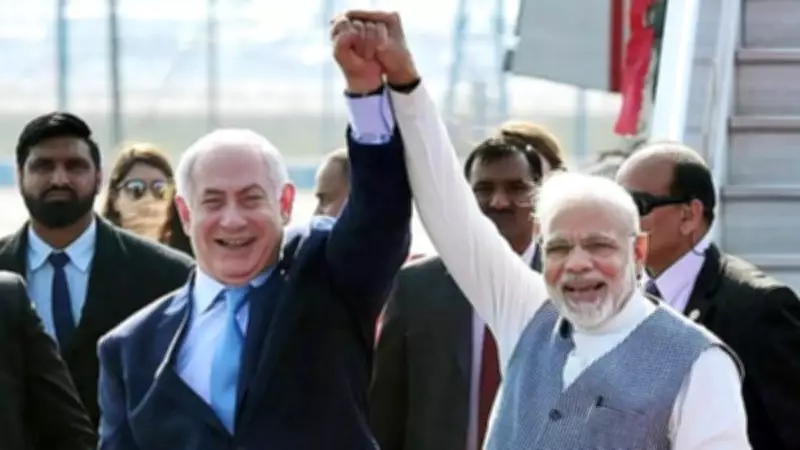
Explained: Benjamin Netanyahu's Proposed 'Hexagon' Alliance with India as a Key Partner
Israeli Prime Minister Benjamin Netanyahu has recently proposed a new strategic alliance termed the 'Hexagon,' which includes India as a central and pivotal partner. This initiative aims to reshape geopolitical dynamics in West Asia and beyond, leveraging the strengths of key nations to foster cooperation on security, economic, and diplomatic fronts.
India's Strategic Role in the Hexagon Alliance
Among the countries highlighted in Netanyahu's proposal, India stands out not merely for its vast population and economic scale but for its increasingly influential strategic ties across West Asia. India's growing partnerships with nations in the region, including Israel, Saudi Arabia, and the United Arab Emirates, position it as a crucial player in this alliance. The Hexagon framework seeks to harness India's diplomatic clout and military capabilities to address shared challenges such as terrorism, regional stability, and energy security.
India's involvement in the Hexagon alliance reflects its broader foreign policy shift towards deeper engagement in West Asia. Over the past decade, India has strengthened bilateral relations with multiple Middle Eastern countries, driven by mutual interests in trade, defense, and counter-terrorism. Netanyahu's proposal underscores the recognition of India as a global power capable of contributing significantly to regional peace and prosperity.

Implications for Global Geopolitics
The proposed Hexagon alliance could have far-reaching implications for international relations. By bringing together nations with diverse interests and capabilities, it aims to create a cohesive bloc that can counterbalance other regional powers and promote a stable security architecture in West Asia. Key aspects of this alliance include:
- Enhanced Security Cooperation: Joint military exercises, intelligence sharing, and coordinated efforts against extremist threats.
- Economic Integration: Boosting trade and investment flows among member states, with a focus on technology and infrastructure projects.
- Diplomatic Coordination: Aligning positions on international forums to advocate for common goals, such as maritime security and climate change mitigation.
India's role as a key partner in this alliance is expected to bolster its global standing and provide new avenues for strategic autonomy. As Netanyahu outlines this vision, the Hexagon proposal highlights the evolving nature of alliances in the 21st century, where non-traditional partnerships based on pragmatic interests are gaining prominence.
In summary, Benjamin Netanyahu's Hexagon alliance represents a bold initiative to forge a new coalition in West Asia, with India playing an indispensable part. This development underscores the deepening ties between India and Israel, as well as India's expanding influence in global affairs. As details of the proposal emerge, it will be crucial to monitor how this alliance shapes regional dynamics and India's foreign policy trajectory in the coming years.