Nepal Election Results: India's Strategic Watch Amid Border Tensions and Diplomatic Dynamics
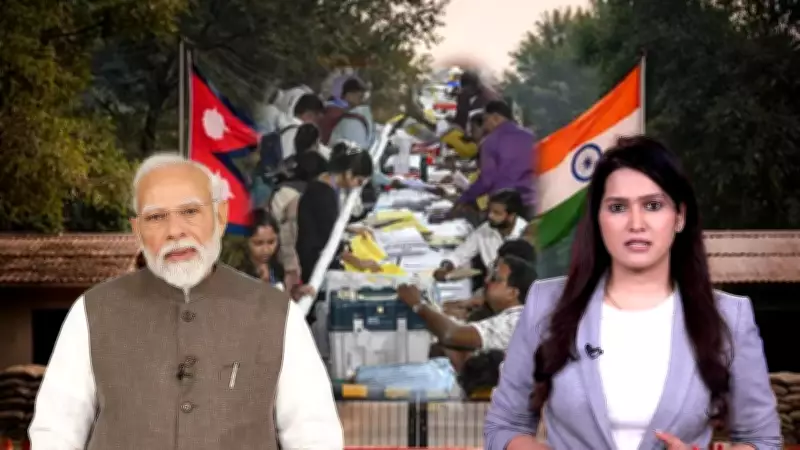
Nepal has successfully conducted a pivotal general election, marking a significant democratic transition after widespread youth-led protests led to the ousting of former Prime Minister KP Sharma Oli. This electoral process was overseen by an interim government headed by former chief justice Sushila Karki, who played a crucial role in steering the nation toward this critical vote. The election featured a diverse array of over 3,000 candidates, representing both established political parties and emerging figures such as Balen Shah, reflecting a vibrant political landscape.
India's Close Scrutiny of Nepal's Electoral Outcome
India is maintaining a vigilant watch over the election results, driven by several key factors that underscore the deep interconnectedness between the two neighboring countries. The open borders between India and Nepal facilitate extensive movement of people and goods, fostering strong cultural and economic ties that have historically shaped bilateral relations. However, this closeness is tempered by sensitive issues, most notably the ongoing territorial disputes involving areas like Kalapani, Lipulekh, and Limpiyadhura. These disputes have periodically strained diplomatic engagements and fueled perceptions of India as a 'big brother' exerting undue influence.
Implications for Domestic Stability and Bilateral Relations
The outcome of Nepal's election is poised to have profound implications on multiple fronts. Domestically, it will determine the stability of Nepal's governance structures and the ability of the new administration to address pressing socio-economic challenges. From a bilateral perspective, the results will significantly influence the trajectory of India-Nepal relations, potentially either easing or exacerbating tensions over border issues. A government perceived as more assertive on territorial matters could lead to heightened diplomatic friction, while a conciliatory approach might pave the way for renewed dialogue and cooperation.

Regional Security Considerations and Future Prospects
Beyond bilateral dynamics, the election's impact extends to regional security in South Asia. Nepal's strategic location and its relations with India are closely watched by other regional powers, adding a layer of complexity to geopolitical calculations. The new government's foreign policy orientation, particularly regarding border disputes and economic partnerships, will play a critical role in shaping regional stability. As India continues to monitor developments, the focus remains on fostering a constructive partnership that respects Nepal's sovereignty while addressing mutual concerns, thereby ensuring a stable and prosperous neighborhood.