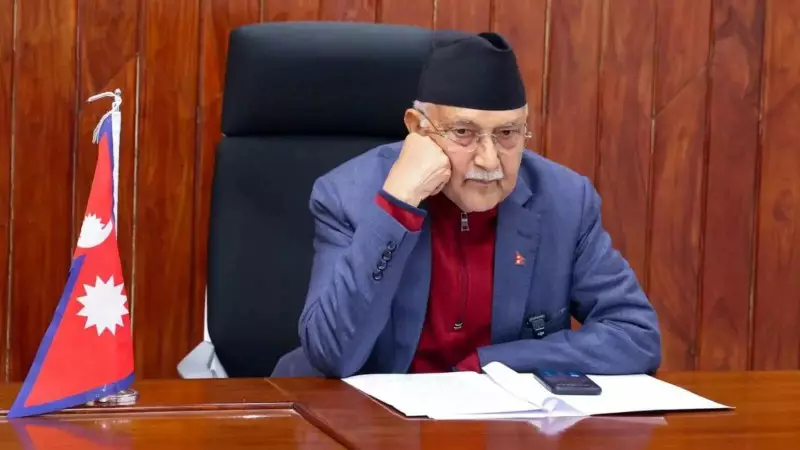
A high-level commission in Nepal has decided to formally summon former Prime Minister K P Sharma Oli for questioning regarding a violent crackdown on youth-led demonstrations last year. The panel is investigating allegations of excessive and lethal force used by police during nationwide protests.
Commission Seeks Clarification from Former Leader
Officials confirmed on Thursday that the interim government-appointed commission will call upon the ousted premier to provide his clarification. The body is tasked with uncovering the facts behind the September 8-9 Gen Z protests, which saw massive youth mobilization against the then Oli government.
This move sets the stage for a potential confrontation, as K P Sharma Oli has publicly stated he will not appear before this commission. He has repeatedly questioned its legitimacy and alleged a lack of impartiality in its composition and mandate.

The Tragic Toll of the Two-Day Unrest
The protests, which swept across Nepal, turned deadly, especially in the capital. On September 8, police opened fire on demonstrators in Kathmandu, resulting in the deaths of at least 19 young people. The violence was not confined to a single day or location.
By the time the unrest subsided after two days, the national death toll had reached a staggering 77 people. The scale of the casualties sparked national and international outrage, leading to intense pressure for an independent and transparent investigation.
Legal and Political Repercussions Unfold
The commission's decision to summon the former head of government underscores the seriousness of the probe. It indicates the investigators are examining command responsibility and decisions made at the highest levels during the crisis.
The refusal by Oli to cooperate presents a significant legal and political challenge. It remains to be seen how the commission will enforce its summons if he continues his boycott. The outcome of this investigation is being closely watched, as it holds implications for accountability and justice for the victims' families.
This probe represents a critical test for Nepal's transitional justice mechanisms and its ability to hold powerful figures accountable for actions taken during periods of civil unrest.