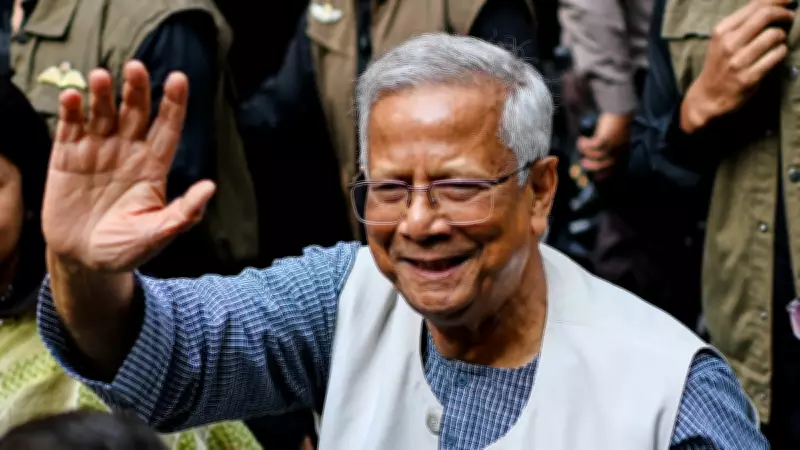
Nobel Laureate Muhammad Yunus Steps Down as Bangladesh's Chief Adviser
In a significant political development, Nobel Peace Prize winner Muhammad Yunus has officially resigned from his position as the chief adviser to the government of Bangladesh. This resignation was formally submitted on February 16, 2026, marking a pivotal moment in the nation's political landscape.
Timing Coincides with Upcoming Oath-Taking Ceremony
The timing of Yunus's departure is particularly noteworthy, as it occurs just ahead of the scheduled oath-taking ceremony for Tarique Rahman, a prominent leader of the Bangladesh Nationalist Party (BNP). Rahman is poised to assume a key role in the government, with his swearing-in set for later in 2026, adding a layer of intrigue to the political dynamics at play.
Yunus, renowned globally for his pioneering work in microfinance and poverty alleviation through the Grameen Bank, had been serving as chief adviser, a role that involved providing high-level counsel on economic and social policies. His resignation is seen as a strategic move that could influence the upcoming political transitions and governance strategies in Bangladesh.

Background and Implications of the Resignation
Muhammad Yunus's tenure as chief adviser was marked by his efforts to integrate sustainable development and social entrepreneurship into national policies. His decision to step down has sparked widespread speculation about the underlying reasons and potential impacts on Bangladesh's political and economic future.
Key Points to Consider:- The resignation was officially announced on February 16, 2026, with Yunus citing personal and professional reasons for his departure.
- Tarique Rahman, as a senior BNP figure, is expected to bring a new political direction upon his oath-taking, which could reshape government priorities.
- This development may signal shifts in Bangladesh's approach to economic reforms and international relations, given Yunus's influential role.
Observers note that Yunus's exit could lead to a realignment of advisory roles within the government, potentially affecting policy decisions related to poverty reduction, financial inclusion, and social welfare programs. The move also highlights the ongoing political tensions and preparations for leadership changes in Bangladesh.
Looking Ahead: What This Means for Bangladesh
As Bangladesh navigates this period of transition, the resignation of Muhammad Yunus and the impending oath of Tarique Rahman are set to define the country's political trajectory in the coming years. Stakeholders, both domestic and international, will be closely monitoring how these changes influence governance, economic stability, and social initiatives.
In summary, Muhammad Yunus's resignation as chief adviser is a landmark event in Bangladeshi politics, timed strategically before a major political ceremony. It underscores the evolving nature of leadership and policy-making in the nation, with potential ripple effects across various sectors.