Mossad Chief's Secret US Trip Explains Changing US-Iran Dynamics
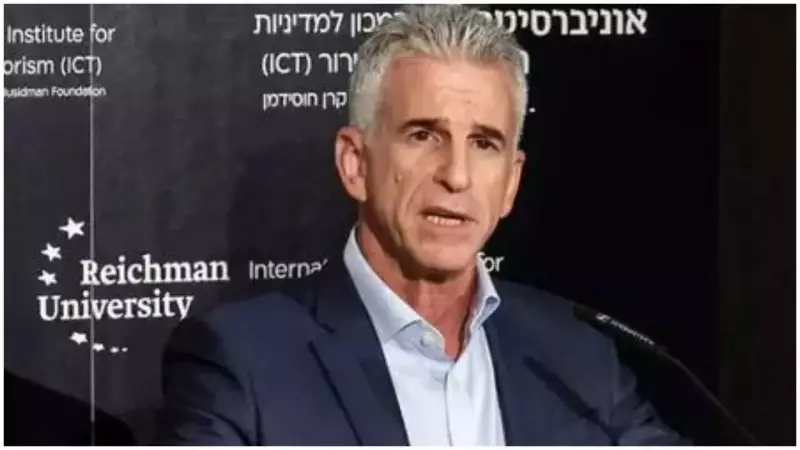
Just as speculation grew about easing US-Iran tensions, a covert visit by Israel's top spy chief offers clues about the shifting mood. David Barnea, director of Israel's Mossad intelligence agency, flew to the United States on Friday morning. His mission focused on urgent consultations about Iran's internal protests and possible American military responses.
High-Stakes Meetings in Miami and Mar-a-Lago
Barnea planned to meet White House envoy Steve Witkoff in Miami. Witkoff manages the direct communication channel between Washington and Tehran. He maintained contact with Iran's Foreign Minister Abbas Araghchi during the recent unrest. It remained unclear whether Barnea would also see President Trump at Mar-a-Lago over the weekend.
This visit followed a Wednesday phone conversation between Trump and Israeli Prime Minister Benjamin Netanyahu. They discussed the escalating Iran crisis in detail. During their call, Netanyahu specifically asked Trump to delay any military action against Iran. Israel requested more preparation time for potential Iranian retaliation.

Israeli Concerns About US Military Plans
Israeli officials expressed reservations about current American strike plans. They worried the proposed attacks on Iranian security force targets might prove insufficient. According to their assessment, such strikes would likely fail to meaningfully destabilize the Tehran regime. An Israeli source confirmed these concerns while speaking anonymously.
American officials maintained that military action remained an active option. They emphasized that Iran's resumption of protester killings could trigger immediate strikes. Despite Netanyahu's request for delay, Israeli analysts believed US military action might still occur within days.
Military Buildup Accelerates in the Region
The United States military began deploying additional defensive and offensive capabilities to the Middle East. This preparation ensured readiness if President Trump ordered strikes. The USS Abraham Lincoln aircraft carrier and its accompanying strike group steamed toward the region from the South China Sea.
More air defense systems, fighter jets, and possibly submarines were expected to arrive soon. This substantial military movement signaled serious preparation for potential conflict.
Diplomatic Overtures and Nuclear Negotiations
Iranian Foreign Minister Araghchi reached out to envoy Witkoff with specific proposals. He suggested resuming nuclear negotiations and arranging a high-level meeting. The Israeli government viewed this diplomatic outreach with suspicion. Officials feared Tehran might use negotiations to buy time and obtain relief from American pressure.
Some analysts offered a different perspective. They argued the current crisis might push Iran toward previously unthinkable concessions. These could involve their nuclear program, missile development, and support for proxy groups across the region.
Witkoff's Revelations at Miami Conference
Speaking at an Israeli-American Council conference in Miami on Thursday night, Witkoff shared crucial details. He confirmed communicating with Iranian officials just the previous day. Their discussion addressed concerns about potential mass hangings of protesters.
"That has been shut down," Witkoff declared regarding the hanging threats.
Witkoff expressed hope for a diplomatic resolution with Iran. He outlined essential elements any agreement must address:
- Limitations on uranium enrichment activities
- Reduction of Iran's enriched uranium stockpile
- Restrictions on ballistic missile inventories
- Constraints on regional proxy networks
The envoy noted Iran's economy was badly stumbling. He suggested Tehran could rejoin the international community through diplomacy. "The alternative will be a bad one," Witkoff warned, hinting at military consequences.
This complex diplomatic dance continues as military preparations accelerate. The Mossad chief's visit highlights how behind-the-scenes discussions shape public tensions between Washington and Tehran.