PM Modi Strongly Condemns Iranian Military Strikes on Gulf Nations
In a significant diplomatic move, Prime Minister Narendra Modi has unequivocally condemned the recent military attacks by Iran on Gulf countries, including the United Arab Emirates, Saudi Arabia, and Bahrain. This condemnation marks a clear shift from India's initial response, which had been limited to calling for respect of sovereignty and territorial integrity without naming specific actors.
Extensive Diplomatic Outreach to Regional Leaders
On Monday, Prime Minister Modi engaged in a series of crucial telephone conversations with leaders across the Middle East to address the escalating tensions. He spoke directly with Saudi Crown Prince and Prime Minister Mohammed bin Salman, Bahrain's leadership, and Jordan's King Abdullah II to convey India's deep concerns about the situation.
In his discussions, Modi emphasized several key points:

- India's firm condemnation of attacks violating Saudi Arabia's sovereignty and territorial integrity
- The urgent need for earliest restoration of regional peace and stability
- Solidarity with Bahrain during this difficult period
- Priority on civilian safety and protection of all citizens in the conflict zone
The Prime Minister also discussed the well-being of the Indian community in every conversation, highlighting their protection as a critical concern for the Indian government.
Strategic Alignment with Gulf Cooperation Council Countries
India's strengthened condemnation of Iranian attacks reflects a significant strategic realignment toward Gulf Cooperation Council (GCC) countries. This shift demonstrates that India's strategic interests are increasingly aligned with GCC nations rather than Iran, despite maintaining diplomatic relations with Tehran.
Several factors drive this strategic alignment:
- Diaspora Protection: Approximately 10 million Indians reside in Gulf countries, representing a major source of remittances and requiring constant diplomatic protection
- Energy Security: Gulf nations remain crucial for India's energy imports and security
- Economic Partnerships: Deepening ties in connectivity, defense cooperation, maritime security, and supply chain resilience
- Diplomatic Investment: Prime Minister Modi's personal outreach to Gulf leaders over the past decade has significantly strengthened bilateral relationships
Broader Diplomatic Context and Regional Engagement
Prime Minister Modi's condemnation of Iranian attacks occurred within a broader diplomatic framework addressing multiple Middle Eastern conflicts. Earlier on Monday, he spoke with Israeli Prime Minister Benjamin Netanyahu, stressing the need for early cessation of hostilities and prioritizing civilian safety.
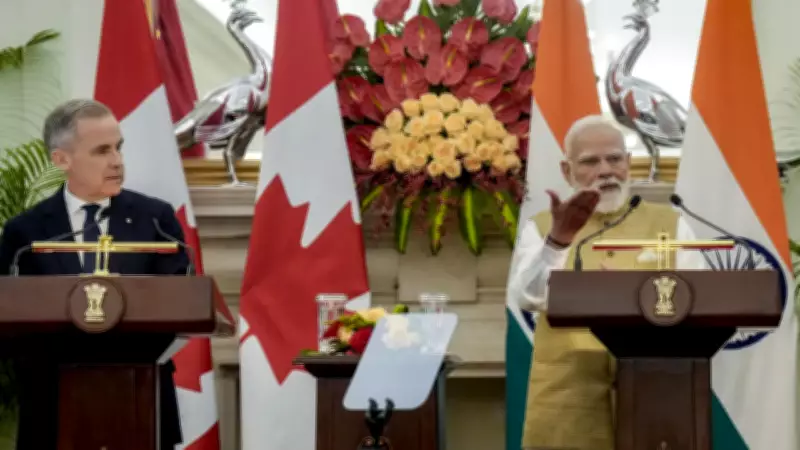
During his meeting with Canadian Prime Minister Mark Carney, Modi addressed the West Asia situation publicly, stating: "India's thinking about many tensions going on in the world has been clear. We have always called for peace and tranquillity. And when two democracies stand together, the voice of peace becomes even stronger."
Foreign Minister S. Jaishankar has also been actively engaged, speaking with counterparts from all six GCC countries following the outbreak of hostilities on Saturday. While expressing concern about regional stability and Indian community welfare, Jaishankar had not issued condemnations, making Modi's statements particularly significant.
Notable Omissions and Strategic Calculations
India's diplomatic approach reveals careful strategic calculations. Notably, the government has neither condemned attacks on Iran nor expressed condolences for the killing of Iranian Supreme Leader Ali Khamenei. This selective positioning underscores India's prioritization of relationships with energy-rich Gulf nations that host millions of Indian workers.
The Prime Minister's statements, while not explicitly naming Iran, clearly signal disapproval of Tehran's targeting of Gulf countries. This nuanced approach allows India to maintain necessary diplomatic channels while clearly supporting partners crucial to its economic and security interests.

India's evolving Middle East policy reflects a pragmatic balancing act—protecting vital economic interests and diaspora communities while navigating complex regional rivalries. As tensions continue, India's diplomatic engagements will remain focused on ensuring regional stability that safeguards both its strategic interests and the well-being of its substantial overseas community.