PM Modi and Brazil President Lula da Silva Hold Diplomatic Phone Call
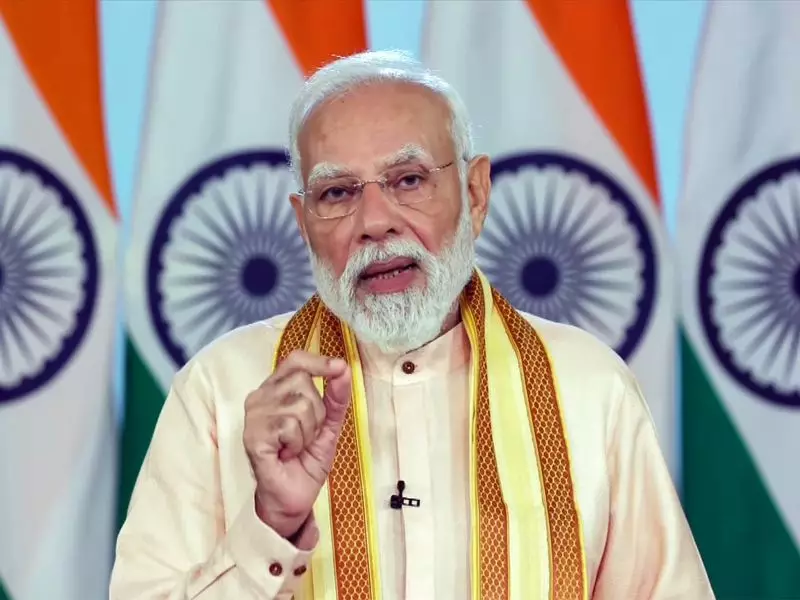
In a significant diplomatic engagement, Prime Minister Narendra Modi received a telephone call from Brazil's President Luiz Inácio Lula da Silva. The conversation between the two leaders focused on strengthening bilateral ties and addressing pressing international issues through collaborative efforts.
Emphasis on Reformed Multilateralism
During their discussion, both Prime Minister Modi and President Lula da Silva laid considerable stress on the importance of reformed multilateralism. They highlighted that existing global institutions and frameworks require updates to effectively manage contemporary challenges. This shared perspective underscores a mutual commitment to enhancing international cooperation mechanisms.
Addressing Shared Global Challenges
The leaders identified several shared challenges that demand coordinated global action. Key areas of concern include:

- Climate change and environmental sustainability
- Economic instability and trade imbalances
- Public health crises and pandemic preparedness
- Geopolitical tensions affecting global peace
By advocating for reformed multilateral approaches, both nations aim to foster more inclusive and effective solutions to these complex issues.
Strengthening India-Brazil Relations
This phone call also served as an opportunity to reinforce the strategic partnership between India and Brazil. As major democracies and emerging economies, both countries play pivotal roles in shaping global governance. The dialogue likely explored avenues for deeper collaboration in sectors such as trade, technology, and sustainable development.
The engagement reflects India's proactive diplomacy under Prime Minister Modi, aiming to build consensus on global reforms. Similarly, President Lula da Silva's outreach signals Brazil's renewed focus on international leadership and multilateral engagement.
Overall, this conversation marks a positive step towards aligning efforts between two influential nations in promoting a more equitable and responsive global order.