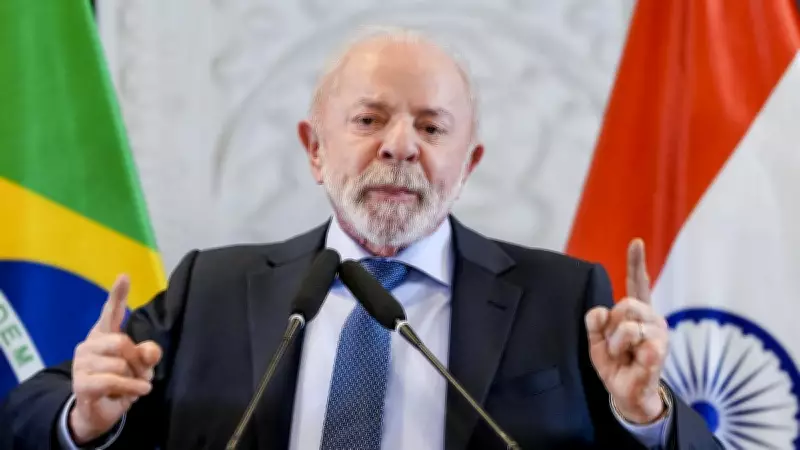
Brazilian Leader Lula da Silva Advocates for Cooperation, Not Confrontation
In a significant diplomatic statement, Brazilian President Luiz Inacio Lula da Silva has firmly rejected the notion of a 'new Cold War' as he prepares for a high-profile meeting with former United States President Donald Trump. This declaration underscores Brazil's commitment to fostering international partnerships based on mutual respect and shared interests, rather than engaging in geopolitical rivalries that could destabilize global relations.
Upcoming Bilateral Meeting Scheduled for Early March
President Lula has confirmed that he anticipates meeting Donald Trump in Washington, D.C., during the first week of March. This planned summit marks a pivotal moment in Brazil-U.S. relations, with both leaders expected to address critical issues that impact bilateral ties and broader international dynamics. The timing of this meeting highlights the ongoing importance of dialogue between major nations in the Western Hemisphere.
Comprehensive Agenda Focused on Key Areas of Collaboration
The agenda for the upcoming discussions is set to cover a wide range of topics, reflecting the multifaceted nature of the Brazil-U.S. relationship. Key areas of focus include:

- Trade Relations: Enhancing economic exchanges and addressing trade barriers to boost prosperity for both countries.
- Immigration Policies: Exploring cooperative frameworks to manage migration flows and humanitarian concerns.
- Investment Opportunities: Promoting cross-border investments in sectors such as technology, infrastructure, and energy.
- Academic Partnerships: Strengthening collaboration between universities to advance research, innovation, and educational exchanges.
By prioritizing these areas, President Lula aims to build a robust partnership that transcends political differences and focuses on tangible outcomes. His emphasis on university partnerships, in particular, signals a long-term vision for fostering knowledge-sharing and cultural understanding between the two nations.
Global Implications of Brazil's Stance
Lula's rejection of a 'new Cold War' resonates beyond bilateral relations, offering a perspective that challenges rising tensions in international affairs. As a key player in Latin America and a member of the BRICS group, Brazil's approach could influence global diplomacy by advocating for:
- Multilateral Cooperation: Encouraging nations to work together through international organizations and agreements.
- Economic Integration: Supporting free trade and investment as tools for development and stability.
- Cultural Exchange: Leveraging educational and people-to-people ties to bridge divides.
This stance aligns with Brazil's historical role as a mediator in global conflicts and its pursuit of a balanced foreign policy. The upcoming meeting with Trump, therefore, is not just a bilateral event but a platform for Brazil to articulate its vision for a more cooperative world order.
As the international community watches closely, the outcomes of this summit could set the tone for future engagements between Brazil and the United States, potentially shaping regional and global strategies in the years to come. President Lula's proactive agenda and rejection of Cold War rhetoric highlight a pragmatic approach to diplomacy that prioritizes dialogue and partnership over confrontation.