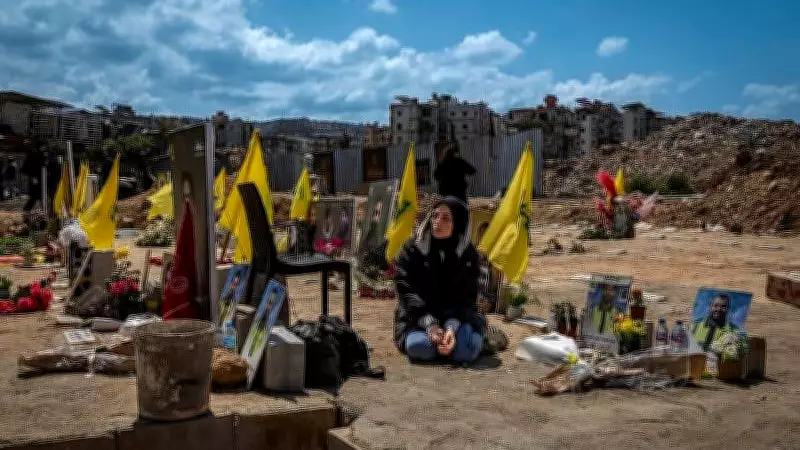
Lebanon has urgently called on the United States to exert pressure on Israel to cease its ongoing attacks and demolitions, particularly in southern Lebanon. The hostilities have persisted despite a ceasefire declared by former President Donald Trump on April 16. Israel continues to occupy a self-declared security zone in southern Lebanon, claiming it aims to prevent Hezbollah attacks.
Background of the Conflict
The current escalation follows a period of relative calm after the ceasefire announcement. However, Israeli forces have maintained a presence in the border region, conducting operations that Lebanon describes as violations of the truce. The Lebanese government argues that these actions undermine stability and calls for international intervention.
Lebanon's Appeal to the US
In a formal request, Lebanese officials have asked Washington to use its influence over Israel to stop what they term as "aggressive actions." The demolitions have reportedly targeted infrastructure and homes in border villages, displacing residents and exacerbating tensions.

The United States, a key ally of Israel, has yet to respond publicly to Lebanon's plea. Analysts suggest that the Biden administration may face challenges in balancing support for Israel with regional stability concerns.
Hezbollah's Role
Hezbollah, the Iran-backed militant group, remains a central factor in the conflict. Israel justifies its security zone as necessary to prevent cross-border attacks. However, Lebanon maintains that Hezbollah has not violated the ceasefire and that Israeli actions are disproportionate.
The situation remains tense, with both sides accusing each other of provocations. International observers warn that continued hostilities could lead to a broader conflict.