Iran's Supreme Leader Issues Defiant Challenge to Trump Amid Renewed Nuclear Negotiations
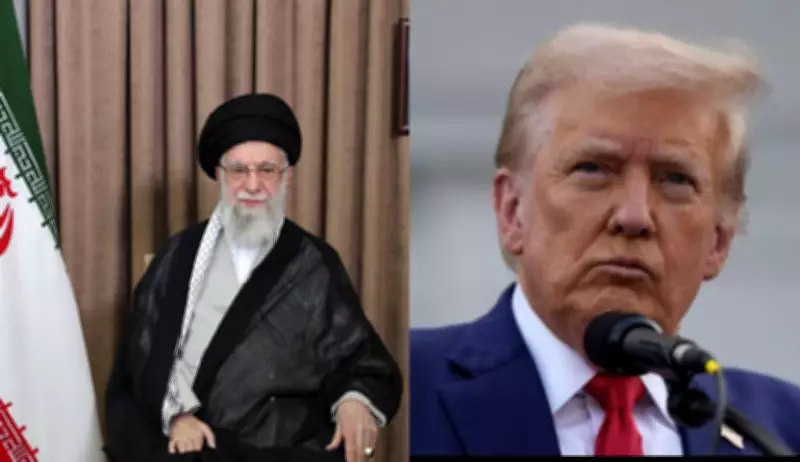
In a bold and provocative statement, Iran's Supreme Leader Ayatollah Ali Khamenei has directly challenged former United States President Donald Trump, declaring that Iran cannot be eliminated. This defiant remark comes as nuclear talks between Iran and the US have officially resumed in Geneva, Switzerland, marking a critical juncture in international diplomacy. The negotiations aim to address longstanding disputes over Iran's nuclear program, which have fueled geopolitical tensions for years.
Khamenei's Assertion of Iranian Resilience
Ayatollah Khamenei's comments were delivered with a tone of unwavering confidence, emphasizing Iran's perceived strength and durability on the global stage. He stated, "You won't be able to eliminate Iran," a clear reference to Trump's previous hardline policies towards the Islamic Republic. This assertion underscores Iran's stance as a resilient nation capable of withstanding external pressures, including economic sanctions and military threats. Khamenei's words are seen as a strategic move to bolster domestic morale and project an image of invincibility to international observers.
Resumption of Nuclear Talks in Geneva
Simultaneously, diplomatic efforts have been reignited with the restart of nuclear negotiations in Geneva. These talks involve key representatives from Iran and the United States, focusing on reviving the Joint Comprehensive Plan of Action (JCPOA), commonly known as the Iran nuclear deal. The discussions are critical for de-escalating regional conflicts and ensuring nuclear non-proliferation. The Geneva meetings are expected to cover contentious issues such as uranium enrichment levels, sanctions relief, and verification mechanisms, with both sides seeking a balanced agreement.

Historical Context and Geopolitical Implications
The backdrop to these developments is a history of strained relations, particularly during Trump's presidency, which saw the US withdraw from the JCPOA in 2018 and impose severe sanctions on Iran. This move exacerbated tensions and led to increased military posturing in the Middle East. Khamenei's dare to Trump reflects ongoing ideological clashes and power struggles between the two nations. The outcome of the Geneva talks could significantly impact global security, oil markets, and diplomatic alliances, making this a pivotal moment in international affairs.
Challenges and Prospects for the Negotiations
As negotiations proceed, several challenges loom large. These include:
- Trust Deficits: Both sides harbor deep-seated mistrust, complicating efforts to reach a consensus.
- Domestic Pressures: Political factions within Iran and the US may resist concessions, potentially derailing progress.
- Regional Dynamics: Involvement of other Middle Eastern countries and global powers adds layers of complexity to the discussions.
Despite these hurdles, there is cautious optimism that the Geneva talks could pave the way for a renewed agreement, fostering stability in a volatile region. The international community is closely monitoring the proceedings, hoping for a diplomatic breakthrough that averts further conflict.