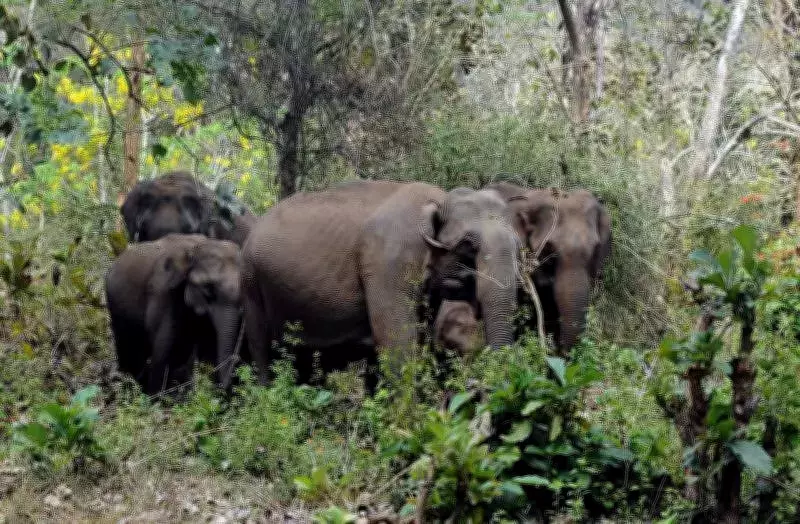
Kerala Moves to Strengthen Wildlife Conflict Management with New Act Chapter
The Kerala State Board for Wildlife has taken a significant step by deciding to propose the insertion of an entirely new chapter dedicated to human-wildlife conflict in the Wildlife Protection Act of 1972. This initiative aims to create a more robust legal framework for addressing escalating conflicts between humans and wildlife across the state.
Expert Committee to Draft Comprehensive Provisions
An expert committee, led by the chief wildlife warden, will be constituted specifically to draft this new chapter. The committee has been allocated a three-month timeframe to prepare the draft, which will subsequently be submitted to the central government for incorporation into the Wildlife (Protection) Act 1972, following the concurrence of the state government.
This move comes shortly after the state assembly passed the Wild Life Protection (Kerala Amendment) Bill in October 2025, which introduced specific amendments to the Act. The amendment included provisions that empower the chief wildlife warden to authorize immediate actions—such as killing, tranquilizing, capturing, or translocating animals—in cases where people are attacked by wild animals or when such animals are found in public places or residential areas. These actions can be initiated upon receiving reports from the district collector or chief conservator of forests.

Key Features of the Proposed Chapter
The proposed new chapter is expected to be more comprehensive than the recent amendments. According to sources, it will encompass a wide range of critical issues, including:
- Compensation for victims affected by human-wildlife conflicts.
- Proposals to enhance the quality of wildlife habitats to reduce animal straying.
- Wildlife population management strategies to control overpopulation.
- Active involvement of local communities and self-government bodies in conflict resolution processes.
Additionally, the Bill passed earlier included provisions for population control and relocation of species listed in Schedule II, as well as empowering the state government to declare a species as 'vermin' if its population becomes unmanageable.
Addressing Procedural Challenges and Habitat Protection
A note approved by the board during its Wednesday meeting highlighted the stringent nature of the existing provisions in the Central Wildlife (Protection) Act 1972. It pointed out that in urgent human-wildlife conflict situations, it is often practically difficult to fully comply with the prescribed procedures. The note emphasized the necessity of incorporating a dedicated chapter with suitable provisions to facilitate prompt decision-making and implementation of measures proportionate to the severity of such conflicts.
Furthermore, the board stressed the need for a comprehensive framework to ensure the protection and maintenance of wildlife habitats within forests. This framework aims to prevent wild animals from straying outside forest areas and causing damage to agricultural lands. The note also called for precautionary measures to ensure that developmental activities outside forest areas do not adversely affect forests, and for promoting suitable agricultural practices in areas adjoining forests.
By proposing this new chapter, Kerala seeks to create a more effective and responsive legal structure that balances wildlife conservation with human safety, addressing long-standing challenges in managing human-wildlife interactions.