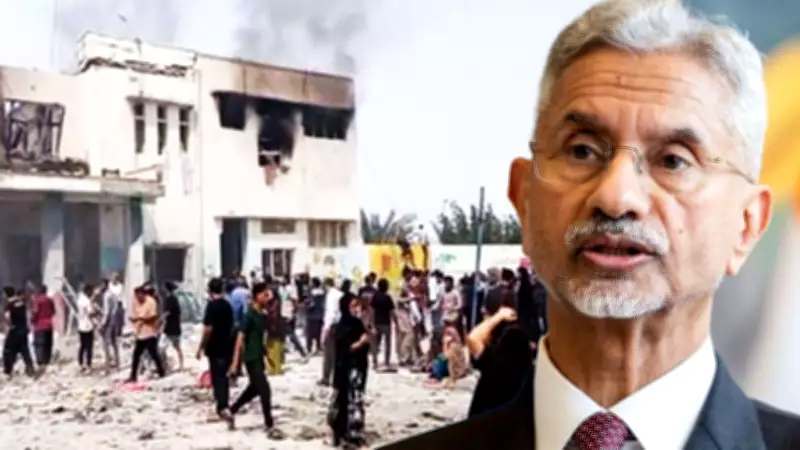
Jaishankar Engages with Iran, Israel, and Gulf Leaders, Prioritizes Safety of Indian Nationals
In response to escalating military actions between the United States, Israel, and Iran, along with subsequent retaliatory strikes by Tehran targeting Gulf states, India has taken proactive diplomatic steps to address the crisis. External Affairs Minister Dr. Subrahmanyam Jaishankar has initiated a series of high-level conversations with key officials from multiple nations, underscoring India's commitment to protecting its vast diaspora and promoting regional stability.
Diplomatic Outreach Across Conflict Zones
Dr. Jaishankar spoke directly with Foreign Minister Seyed Abbas Araghchi of Iran, expressing India's deep concerns over the volatile situation. In a parallel discussion with Israeli Foreign Minister Gideon Sa'ar, he reiterated India's firm calls for de-escalation and peaceful resolution of conflicts. Additionally, the minister engaged with counterparts from Saudi Arabia, Kuwait, Bahrain, Qatar, and the United Arab Emirates, focusing on the broader implications for Gulf security and the well-being of Indian communities residing there.
Core Principles and Immediate Concerns
Throughout these diplomatic exchanges, India emphasized several critical points:

- Protection of Sovereignty: India stressed the importance of respecting the sovereignty and territorial integrity of all nations involved, a fundamental principle in international relations.
- Safety of Diaspora: With nearly 10 million Indian nationals living and working across the Middle East, ensuring their safety remains a top priority for the Indian government.
- Dialogue and Diplomacy: Jaishankar highlighted India's unwavering focus on dialogue and diplomatic engagement as the preferred means to resolve disputes and reduce tensions.
Humanitarian Impact and Regional Stability
The conflict has already led to significant disruptions, with reports indicating that passengers, including numerous Indians, are currently stranded at airports in Abu Dhabi and Dubai due to flight cancellations and security concerns. Furthermore, over a thousand Indian students from Jammu and Kashmir are studying in the region, adding to the urgency of safeguarding Indian citizens. These developments underscore the immediate humanitarian challenges and the need for coordinated efforts to ensure safe passage and support for those affected.
India's Strategic Position and Future Steps
By engaging with all sides in the conflict, India aims to position itself as a responsible global actor advocating for peace and stability. The diplomatic outreach reflects a balanced approach, addressing both the geopolitical dimensions and the practical needs of Indian nationals abroad. As tensions persist, India is expected to continue its diplomatic efforts, monitoring the situation closely and providing assistance to its citizens while encouraging all parties to pursue peaceful solutions through sustained dialogue.