EAM Jaishankar Holds Crucial Talks with Iranian Counterpart Amid West Asia Tensions
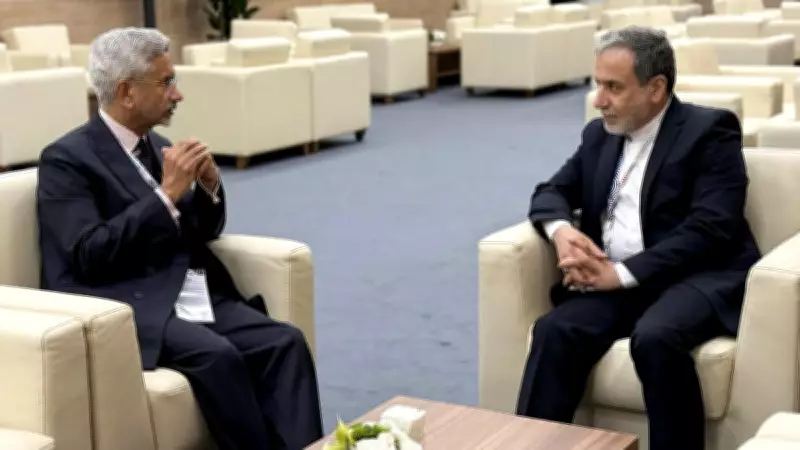
In a significant diplomatic move, External Affairs Minister S. Jaishankar held a detailed and comprehensive conversation with Iran's Deputy Foreign Minister for Political Affairs, Ali Bagheri Kani. This high-level discussion comes at a critical juncture, as escalating tensions and conflicts in the West Asia region have raised global concerns, prompting urgent diplomatic engagements to address the volatile situation.
Focus on Regional Stability and Bilateral Ties
The talks between the two ministers were characterized by a deep exchange of views on the ongoing conflicts in West Asia, with a particular emphasis on the need for de-escalation and stability in the area. Jaishankar reiterated India's consistent position advocating for peaceful resolution of disputes through dialogue and diplomacy, underscoring the importance of regional security for international peace.
Beyond the immediate crisis, the conversation also delved into broader aspects of the India-Iran bilateral relationship. Key areas of cooperation were discussed, including:

- Economic and trade partnerships, with a focus on enhancing connectivity projects.
- Energy security, given Iran's significant role as an oil supplier.
- Cultural and people-to-people exchanges to strengthen historical ties.
Context of the Diplomatic Engagement
This meeting is part of India's proactive diplomatic outreach in West Asia, a region of strategic importance due to its energy resources and large Indian diaspora. The timing is crucial, as recent conflicts have threatened to destabilize the area, impacting global oil prices and security dynamics. Jaishankar's engagement with Iranian officials highlights India's balanced foreign policy approach, maintaining ties with all key players in the region while advocating for peace.
Iran, as a major regional power, plays a pivotal role in West Asian geopolitics. The discussion likely touched upon Iran's perspectives on the conflicts and potential pathways to reduce hostilities. India's role as a neutral mediator, given its good relations with various Middle Eastern countries, adds weight to such diplomatic efforts.
Implications for India's Foreign Policy
The detailed conversation underscores India's commitment to an independent and principled foreign policy, focused on safeguarding its national interests while contributing to global stability. By engaging with Iran, India aims to:
- Ensure the safety and well-being of Indian nationals in the conflict-affected regions.
- Protect its economic interests, particularly in energy imports and trade routes.
- Foster multilateral cooperation to address shared challenges like terrorism and maritime security.
This diplomatic initiative aligns with India's broader strategy of strengthening partnerships in West Asia, as seen in recent engagements with other countries in the region. It reflects a nuanced approach, balancing relations with traditional partners while navigating complex geopolitical landscapes.
In summary, the talks between EAM Jaishankar and Deputy FM Kani represent a vital step in India's ongoing efforts to mitigate West Asia tensions and bolster bilateral cooperation with Iran. As conflicts persist, such dialogues are essential for fostering understanding and exploring peaceful solutions, reinforcing India's role as a responsible global actor dedicated to regional harmony and international diplomacy.