External Affairs Minister Dr S Jaishankar's brief but significant visit to Dhaka on Wednesday has been hailed as a step towards writing a fresh chapter in the relationship between India and Bangladesh. The visit, focused on conveying condolences following the death of former Bangladeshi Prime Minister Begum Khaleda Zia, also set the stage for enhanced bilateral cooperation.
A Condolence Visit with Strategic Significance
Dr Jaishankar arrived in the Bangladeshi capital on a special flight earlier in the day, as the nation observed a public holiday and three days of state mourning. Khaleda Zia, Bangladesh's first woman prime minister, passed away on Tuesday at the age of 80 after a prolonged illness. The External Affairs Minister personally conveyed the condolences of the Government and people of India.
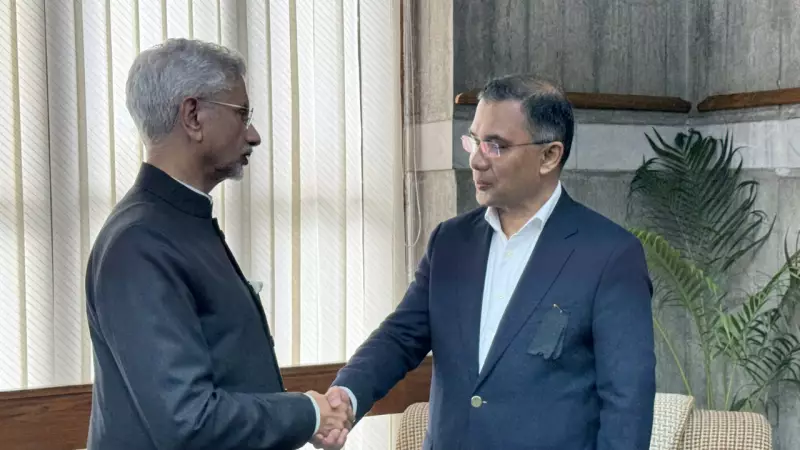
In a key engagement, Jaishankar met with Mr Tarique Rahman, the acting chairman of the Bangladesh Nationalist Party (BNP) and son of the late Begum Khaleda Zia. During the meeting, he handed over a personal letter from Prime Minister Narendra Modi to Rahman. The EAM later noted on social media platform X that he expressed confidence that Begum Khaleda Zia's vision and values would guide the development of the bilateral partnership.

Building a Future on Pragmatism and Interdependence
Bangladesh's High Commissioner to India, Riaz Hamidullah, underscored the importance of the visit. In a post on X, he stated that the whirlwind four-hour trip would help both nations look forward to scripting a new chapter in their ties. This new chapter, he emphasized, would be driven by shared interests, pragmatism, and mutual interdependence.
Hamidullah revealed that these very themes were part of his discussion with Tarique Rahman. He also shared that EAM Jaishankar recognized Khaleda Zia's contributions to democracy in Bangladesh and expressed optimism about strengthening ties following the democratic transition through the upcoming election.
Legacy of a Political Icon
The visit put a spotlight on the legacy of Begum Khaleda Zia, a towering figure in Bangladesh's political history. She served three terms as the country's prime minister and is widely credited with playing a pivotal role in restoring democracy after years of military rule. Her passing marks the end of an era and has brought the nation together in mourning.
Dr Jaishankar's swift diplomatic outreach highlights the importance India places on its relationship with its neighbour, especially during moments of significance. The personal letter from PM Modi and the high-level visit underscore a commitment to maintaining robust and respectful ties across the political spectrum in Bangladesh, paving the way for continued collaboration based on shared democratic values and geographic destiny.