

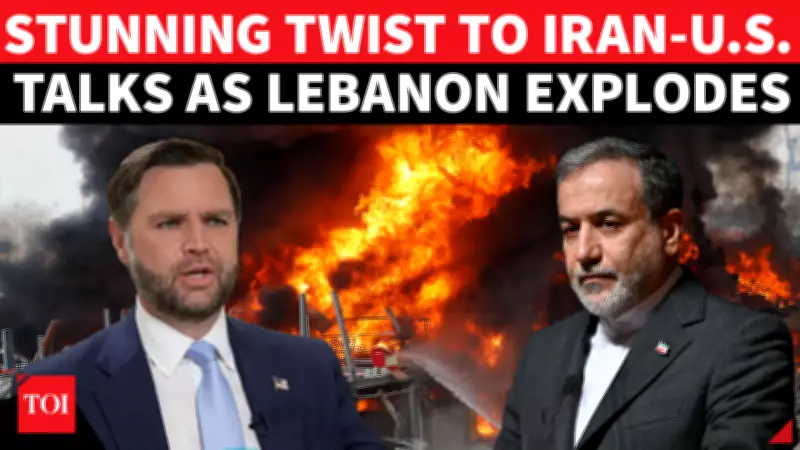
US-Iran Talks Face Major Test as Israel-Hezbollah Conflict Escalates
The fragile diplomatic process between the United States and Iran is confronting a significant challenge as intensified Israeli military operations in Lebanon risk undermining negotiations currently underway in Switzerland. According to reports, a dedicated session addressing the Israel-Hezbollah conflict has been incorporated into the agenda of the U.S.-Iran talks, reflecting mounting concerns that continued hostilities could derail the tentative agreement reached between Washington and Tehran.
Iran Closes Strait of Hormuz Amid Alleged Ceasefire Violations
Tensions have escalated sharply after Iran announced the closure of the Strait of Hormuz, a critical maritime chokepoint for global oil shipments. Tehran cited alleged Israeli violations of a ceasefire in southern Lebanon as the reason for this drastic measure. Iranian officials have made clear that ending hostilities in Lebanon is a non-negotiable condition for advancing the diplomatic process with the United States.
Strikes Continue Despite Reported Ceasefire Orders
Despite reports that Israeli Prime Minister Benjamin Netanyahu instructed the military to hold fire, deadly strikes continue to be reported across southern Lebanon. The ongoing violence threatens to undermine the fragile U.S.-Iran negotiations, which are seen as a make-or-break opportunity for regional stability. The special session on the conflict aims to address both parties' concerns and prevent the talks from collapsing.

Global Implications of the Strait of Hormuz Closure
The closure of the Strait of Hormuz has immediate global economic implications, as approximately 20% of the world's oil passes through this waterway. Iran's action is widely viewed as a leverage tactic to pressure the international community into addressing the Lebanon situation. The U.S. and its allies are closely monitoring the developments, with some analysts warning that the standoff could escalate into a broader regional conflict.
Diplomatic Efforts Intensify
U.S. and Iranian negotiators are under intense pressure to find a resolution that addresses both the nuclear deal and the Lebanon crisis. The addition of the Israel-Hezbollah conflict to the talks agenda underscores the interconnected nature of these issues. According to diplomatic sources, the success of the talks hinges on whether both sides can agree on a framework for de-escalation in Lebanon while maintaining progress on the nuclear front.
The situation remains fluid, with international observers urging restraint from all parties. The outcome of the Switzerland talks could determine not only the future of U.S.-Iran relations but also the broader security landscape of the Middle East.






