Iran's Naval Mine Deployment in Hormuz Strait Raises Global Alarm
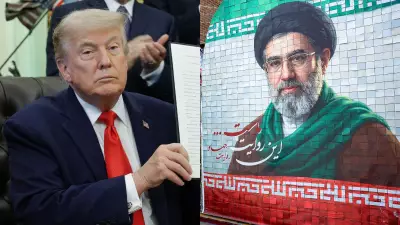
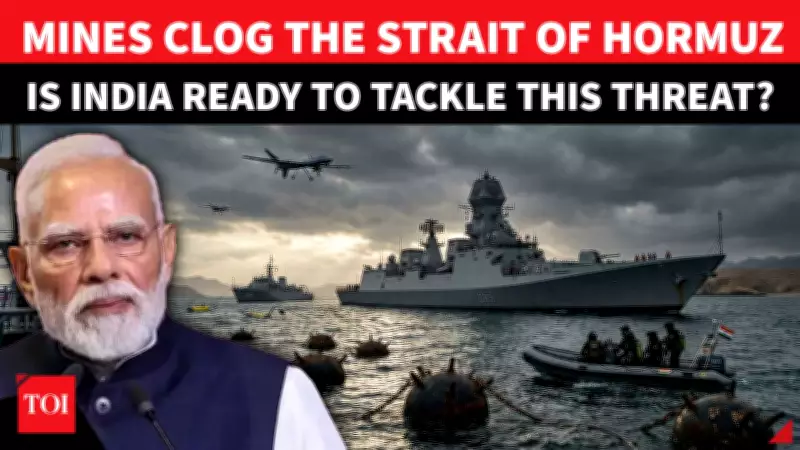
The strategic Strait of Hormuz has become a focal point of international tension following Iran's deployment of naval mines, presenting a significant challenge to global maritime security. This development has prompted the United States to urgently dispatch mine-hunting vessels from distant locations to address the emerging threat. The situation underscores the critical importance of naval mine countermeasures in modern conflict zones.
India's Critical Capability Gap in Mine Warfare
While global powers mobilize resources, India finds itself in a precarious position regarding mine warfare capabilities. The Indian Navy has been operating without dedicated minesweepers since 2019 when its aging fleet was retired from service. This has created a substantial gap in India's naval defense architecture that remains unaddressed despite the clear and present danger demonstrated by recent events in the Persian Gulf region.
India is currently engaged in its fourth attempt to induct new minesweepers into its naval fleet, highlighting the persistent challenges in modernizing this crucial aspect of maritime security. The ongoing conflict in the Strait of Hormuz has dramatically illustrated why these specialized vessels are essential for protecting sea lanes and coastal infrastructure.

The Strategic Imperative for Immediate Action
As India continues to invest heavily in coastal infrastructure development, the absence of effective mine countermeasure capabilities represents a significant vulnerability. New Delhi must prioritize the procurement and deployment of modern minesweepers to safeguard its maritime interests and ensure the security of vital shipping routes that are crucial for India's energy imports and trade.
The current geopolitical landscape, marked by heightened tensions in the Persian Gulf, makes this capability gap particularly concerning. India's ability to respond to potential mine threats in critical waterways directly impacts its national security and economic stability, given that a substantial portion of the country's oil imports transit through the Strait of Hormuz.
Global Context and Regional Implications
The international response to Iran's mine deployment, particularly America's rapid mobilization of mine-hunting assets, serves as a stark contrast to India's current predicament. This disparity highlights the urgent need for India to accelerate its naval modernization efforts, especially in specialized warfare domains that have gained renewed importance in contemporary conflict scenarios.
With maritime security becoming increasingly complex in the Indian Ocean region and beyond, India's ability to protect its sea lanes from asymmetric threats like naval mines will be crucial for maintaining regional stability and ensuring uninterrupted trade flows that are vital for the nation's economic growth and energy security.