Iran's New Supreme Leader Issues Directive for Military Pause Amid Ongoing Conflict
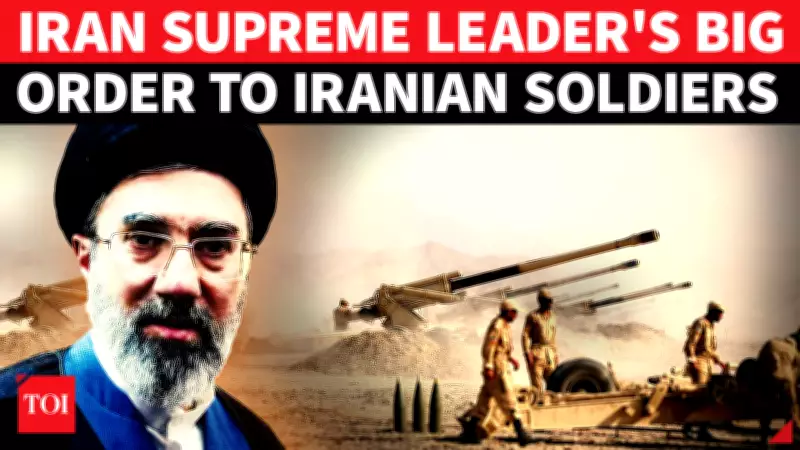
In a significant development, Iran's newly appointed Supreme Leader Mojtaba Khamenei has issued a directive ordering all military units to halt offensive operations. This command comes with a stark warning that the broader conflict is far from concluded, indicating a strategic pause rather than a permanent cessation of hostilities.
Conditional Ceasefire Linked to Upcoming Diplomatic Negotiations
According to statements from Iranian officials, this temporary pause in fighting is explicitly conditional and directly tied to forthcoming high-stakes negotiations with the United States. The diplomatic talks are scheduled to take place in Islamabad, setting the stage for a critical dialogue between the two nations.
State media in Iran has asserted that the country has successfully achieved "nearly all" of its primary war objectives following an intense forty-day period of conflict. These objectives reportedly extend beyond immediate military gains to include pushing for broader regional demands and strategic positioning.

Humanitarian Gesture and Strategic Maneuvering in the Strait of Hormuz
In a related move, Iranian Foreign Minister Abbas Araghchi announced that Iran will permit safe passage through the strategically vital Strait of Hormuz for a period of two weeks. This decision is viewed as both a humanitarian gesture and a strategic maneuver as both sides prepare for the crucial negotiations.
The Strait of Hormuz is a critical maritime chokepoint for global oil shipments, and this temporary allowance could ease immediate tensions while diplomatic efforts are underway. However, analysts caution that this is likely a tactical pause rather than a sign of lasting peace.
Context of a Protracted Regional Conflict
This development occurs against the backdrop of a prolonged and complex regional conflict that has seen significant military engagements. The order from Supreme Leader Mojtaba Khamenei represents a pivotal moment in Iran's military and diplomatic strategy, potentially signaling a shift toward negotiated solutions while maintaining military readiness.
The international community is closely monitoring these developments, recognizing that the outcome of the upcoming talks in Islamabad could have far-reaching implications for regional stability and global security dynamics. The conditional nature of the military pause underscores the fragile and volatile situation that persists in the region.