Iranian Deputy Foreign Minister Signs Condolence Book in New Delhi for Late Supreme Leader
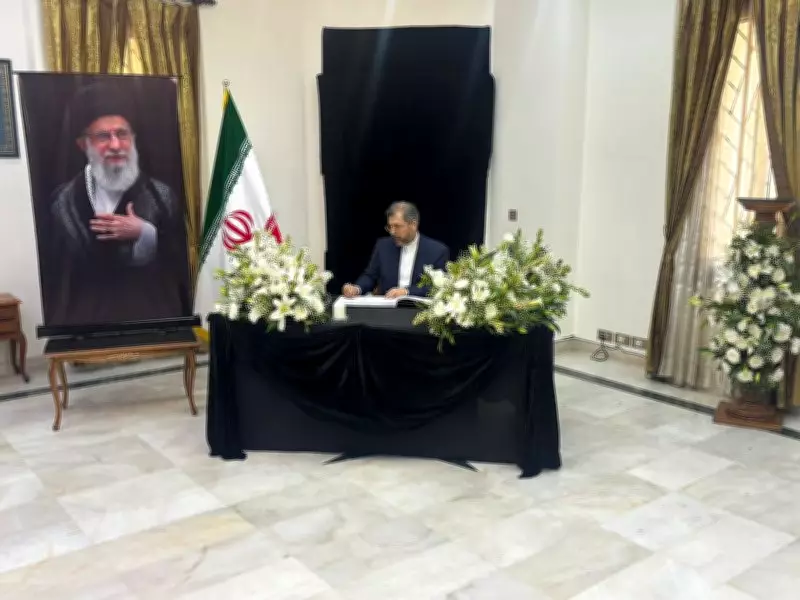
In a significant diplomatic gesture, Iranian Deputy Foreign Minister Ali Bagheri Kani visited the Embassy of Iran in New Delhi to sign a condolence book, expressing profound sorrow over the passing of Iran's Supreme Leader, Ayatollah Ali Khamenei. This act underscores the deep ties between Iran and India, highlighting mutual respect and solidarity during a period of national mourning for Iran.
Diplomatic Protocol and Bilateral Relations
The signing ceremony took place at the Iranian Embassy, where Bagheri Kani, a key figure in Iran's foreign policy apparatus, conveyed heartfelt condolences on behalf of the Iranian government. This move is part of standard diplomatic protocol, allowing foreign dignitaries to pay respects to a nation's leader, but it also serves to reinforce the strategic partnership between Tehran and New Delhi. India and Iran have maintained robust economic and cultural exchanges, particularly in energy and trade sectors, making this gesture a reaffirmation of their enduring alliance.
Context of Ayatollah Khamenei's Legacy
Ayatollah Ali Khamenei, who served as Iran's Supreme Leader for decades, was a pivotal figure in shaping the country's political and religious landscape. His death has prompted an outpouring of grief across Iran and among its global allies. By signing the condolence book, Bagheri Kani not only honored Khamenei's legacy but also signaled Iran's commitment to continuity in its foreign relations, even amid leadership transitions. This event comes at a time when Iran is navigating complex geopolitical challenges, including regional tensions and international sanctions.

Implications for India-Iran Ties
The condolence signing in New Delhi is more than a symbolic act; it reflects the ongoing diplomatic engagement between India and Iran. Key aspects of their relationship include:
- Energy Cooperation: Iran is a major oil supplier to India, and both nations have collaborated on projects like the Chabahar Port, which enhances connectivity in the region.
- Cultural Exchanges: Historical and cultural links, including shared traditions and people-to-people contacts, bolster bilateral ties.
- Strategic Dialogue: Regular high-level meetings and joint initiatives aim to address mutual interests in stability and development.
This gesture by Bagheri Kani may pave the way for further discussions on enhancing cooperation, especially in areas like trade and security, as both countries seek to navigate a changing global order.
Global Reactions and Diplomatic Norms
Similar condolence signings have occurred worldwide, with other nations expressing sympathy for Iran's loss. Such acts are common in international diplomacy, serving to maintain cordial relations and show respect during times of bereavement. For India, hosting this event aligns with its broader foreign policy of engaging with diverse partners, including Middle Eastern nations, to foster peace and economic growth. The presence of a senior Iranian official in Delhi also highlights India's role as a neutral and respected player on the global stage.
In summary, the signing of the condolence book by Iranian Deputy Foreign Minister Ali Bagheri Kani in New Delhi is a poignant reminder of the strong diplomatic bonds between Iran and India. It honors the memory of Ayatollah Ali Khamenei while reinforcing the commitment to bilateral cooperation, setting a positive tone for future engagements amid evolving regional dynamics.