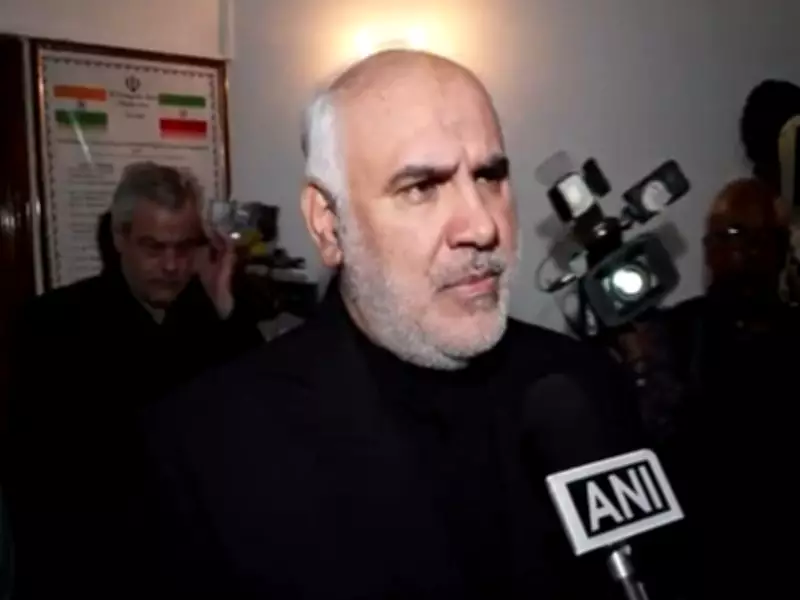
Iranian Ambassador Stresses National Unity Against External Meddling
In a significant diplomatic statement, Iranian Ambassador to India Mohammad Fathali has underscored the unwavering unity of the Iranian people in the face of foreign interference. Speaking on matters of international relations and national sovereignty, Ambassador Fathali highlighted that external attempts to influence Iran's internal affairs are met with a collective and resolute response from its citizens.
Diplomatic Insights on Sovereignty and Resilience
Ambassador Fathali elaborated that Iran's historical and cultural foundations foster a strong sense of national identity, which acts as a bulwark against foreign meddling. He pointed out that the Iranian populace, regardless of political or social differences, comes together to defend their country's independence and territorial integrity. This unity, he noted, is a testament to Iran's resilience in the global arena, where it often faces external pressures and sanctions.
The ambassador's remarks come at a time of heightened geopolitical tensions, with Iran navigating complex international dynamics. He emphasized that Iran seeks peaceful and cooperative relations with other nations, including India, but firmly rejects any form of interference that undermines its sovereignty. This stance aligns with Iran's long-standing foreign policy principles, which prioritize self-determination and non-intervention in domestic affairs.

Implications for Bilateral Relations with India
In the context of Iran-India relations, Ambassador Fathali expressed optimism about strengthening ties based on mutual respect and shared interests. He acknowledged the historical and economic connections between the two countries, such as trade in energy and cultural exchanges, and stressed that a foundation of non-interference is crucial for fostering deeper collaboration. This perspective highlights Iran's commitment to diplomacy that respects the autonomy of all nations, potentially paving the way for enhanced partnerships in areas like infrastructure, technology, and regional security.
The ambassador's comments also reflect broader trends in international diplomacy, where nations increasingly assert their sovereignty against perceived external threats. By articulating Iran's position clearly, he aims to reinforce its stance on the global stage and encourage dialogue that respects national boundaries. This approach, he suggested, is essential for maintaining stability and peace in regions like the Middle East, where Iran plays a pivotal role.
Public Response and Future Outlook
Observers note that Ambassador Fathali's statement resonates with many Iranians who view foreign interference as a challenge to their national pride and development. Public sentiment in Iran often rallies around issues of sovereignty, making this a unifying theme across diverse segments of society. Looking ahead, Iran is likely to continue advocating for a world order based on respect for national sovereignty, while engaging in diplomatic efforts to counter external pressures.
In summary, the Iranian ambassador's message reinforces that unity against foreign interference is a cornerstone of Iran's national identity and foreign policy. As Iran navigates its international relationships, this principle will remain central to its engagements, shaping its interactions with countries like India and beyond. The emphasis on sovereignty and resilience underscores Iran's determination to chart its own course in global affairs, free from external dictates.