Iran Issues Stern Warning to US Over Indian Frigate Incident
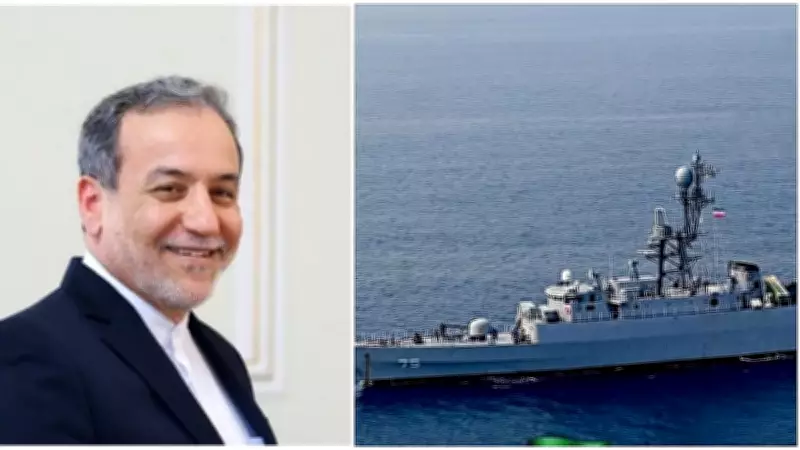
In a dramatic escalation of geopolitical tensions, Iran has issued a stark warning to the United States, asserting that Washington will "bitterly regret" the precedent it has established following a maritime incident involving an Indian naval vessel. The warning comes in the aftermath of the sinking of the Indian frigate Dena off the coast of Sri Lanka, an event that has sent ripples through international diplomatic circles.
Details of the Frigate Dena Incident
The Indian frigate Dena, which was reportedly operating as a "guest of India" in regional waters, sank near Sri Lanka under circumstances that have not been fully disclosed by authorities. This incident has drawn significant attention from global powers, particularly Iran and the United States, due to its potential implications for maritime security and sovereignty in the Indian Ocean region.
Iranian officials have seized upon this event to criticize US foreign policy, arguing that American actions in international waters are setting a dangerous precedent. They claim that such maneuvers undermine regional stability and could lead to unintended consequences, including heightened military confrontations.

Iran's Warning and Its Broader Implications
In a strongly worded statement, Iranian representatives emphasized that the United States will face severe repercussions for its perceived overreach. "The US will bitterly regret the precedent it has set," an Iranian spokesperson declared, highlighting concerns over what they describe as aggressive posturing by American naval forces in sensitive areas.
This warning is not isolated but fits into a broader pattern of escalating tensions between Iran and the US, which have been at odds over various issues, including nuclear agreements, regional influence, and maritime disputes. The sinking of the Dena has provided Iran with a platform to voice its grievances and rally international scrutiny against US naval activities.
International Reactions and Diplomatic Fallout
The incident has prompted reactions from multiple nations, with India and Sri Lanka closely monitoring the situation. Indian authorities have yet to release a detailed report on the cause of the frigate's sinking, but it is understood that investigations are ongoing. Meanwhile, Sri Lanka has expressed concern over the safety of its coastal waters and called for calm among all parties involved.
Diplomatic analysts suggest that Iran's warning could strain already fragile relations with the US, potentially leading to:
- Increased naval patrols and surveillance in the Indian Ocean.
- Heightened rhetoric and possible sanctions or countermeasures.
- Collaborative efforts by regional powers to de-escalate tensions.
Looking Ahead: Potential Scenarios
As the situation unfolds, several key questions remain unanswered. What exactly led to the sinking of the Indian frigate Dena? How will the United States respond to Iran's provocative warning? And what steps can be taken to prevent further escalation in this volatile region?
Experts warn that if left unaddressed, such incidents could spiral into larger conflicts, affecting global trade routes and security alliances. The international community is urged to engage in dialogue and adopt measures that promote transparency and cooperation in maritime operations.
In conclusion, Iran's stark admonition to the United States underscores the delicate balance of power in international waters. The sinking of the Indian frigate Dena off Sri Lanka's coast has become a flashpoint, highlighting the need for cautious diplomacy and robust conflict-resolution mechanisms to avert a broader crisis.