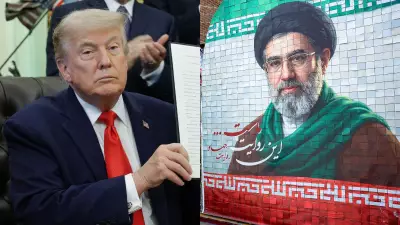
Iran-US Islamabad Talks Conclude Without Agreement Amid Persistent Gaps
Iran's foreign ministry spokesman Esmail Baghaei has stated that significant "gaps" persist between Iran and the United States following an intensive 21-hour diplomatic session in Islamabad. While acknowledging some areas of mutual understanding, Baghaei emphasized that key differences remain unresolved, casting a shadow over the prospects for a near-term deal.
Strait of Hormuz and Regional Concerns Complicate Negotiations
According to the Iranian spokesman, the introduction of additional contentious issues, particularly concerning the strategic Strait of Hormuz and broader regional security matters, has further complicated the already delicate negotiations. These elements introduced new layers of complexity, making consensus more challenging to achieve.
The comments from Tehran came shortly after U.S. Vice President JD Vance publicly confirmed that the talks concluded without any formal agreement. Vance attributed the impasse primarily to Iran's refusal to accept American terms regarding its nuclear commitments, a core point of contention that has long defined the strained bilateral relationship.

Context of Failed Diplomacy and Regional Tensions
This diplomatic setback occurs against a backdrop of heightened regional tensions and a history of fraught negotiations. The failure in Islamabad underscores the deep-seated mistrust and divergent strategic priorities between the two nations. The specific mention of the Strait of Hormuz—a critical global oil transit chokepoint—highlights how geopolitical and economic security concerns are inextricably linked to the nuclear dialogue.
The outcome leaves the future of Iran-US relations uncertain, with both sides appearing to dig in on their respective positions. The lack of a breakthrough suggests that a return to the negotiating table may require significant diplomatic groundwork or a shift in policy from one or both capitals.