

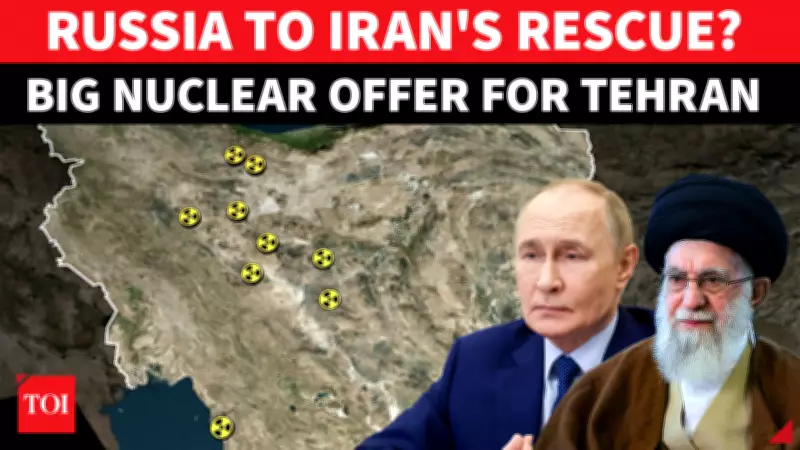
Iran Rejects Uranium Transfer Suggestion As Russia Says Offer Stands Amid US Tensions
Nuclear tensions are escalating significantly as high-stakes negotiations between the United States and Iran approach. Tehran has issued a firm and unequivocal rejection of any proposal to transfer its stockpile of enriched uranium outside its national borders.
Iran's Stance on Uranium and Red Lines
Iranian officials have declared several key areas as absolute non-negotiable red lines. These include the nation's uranium enrichment activities, its ballistic missile development programs, and its strategic regional alliances. Authorities in Tehran have emphasized that past pressure campaigns from the United States have proven entirely ineffective and will not alter their position.
Currently, Iran possesses a substantial stockpile of more than 400 kilograms of uranium enriched to a purity of 60 percent. This level is critically close to the threshold considered weapons-grade, which is around 90 percent enrichment, raising profound international concerns about proliferation risks.

Russia's Position and the Diplomatic Divide
In a contrasting move, Russia has stated that the option of removing uranium from Iran remains on the table. Moscow has confirmed that a previous offer to export and host Iran's enriched uranium stockpiles on Russian territory is still valid and has not been withdrawn. Russian officials stress, however, that the final decision ultimately rests solely with the Iranian government.
This divergence in positions highlights a rapidly widening diplomatic gap between the involved parties. As the scheduled talks loom, the fundamental disagreements over core issues threaten to undermine the negotiation process before it even begins in earnest.
Broader Geopolitical Context
The standoff occurs within a complex web of broader Middle East tensions and global geopolitical maneuvering. The unresolved nuclear issue remains a central flashpoint, influencing regional security dynamics and international relations. The upcoming dialogue is seen as a critical test for diplomacy, with stakeholders closely watching whether a diplomatic breakthrough is possible or if the path leads toward further escalation and confrontation.






