Iran Defies U.S. by Appointing Khamenei's Son as Supreme Leader Amid Escalating Conflict
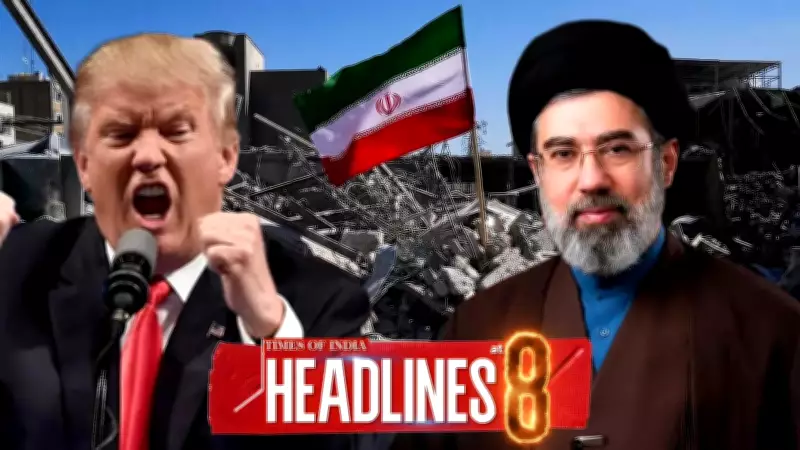
In a bold move that challenges international pressure, Iran has appointed Mojtaba Khamenei, the son of the late Supreme Leader Ali Khamenei, as the country's new Supreme Leader. This decision comes despite explicit warnings from former U.S. President Donald Trump, who had previously stated that Mojtaba would be "unacceptable" to Washington. The appointment signals Iran's determination to maintain its political trajectory and resist external influence.
U.S. Military Action and Regional Accusations
Simultaneously, tensions have escalated with the United States conducting airstrikes in Iran. New video evidence has emerged showing a U.S. bombing of a school in Iran, raising concerns about civilian casualties and the humanitarian impact of the conflict. The attack has sent thick, toxic smoke billowing across Tehran's skyline, with residents reporting acid-like rain, highlighting the severe environmental and health risks.
In a related development, Human Rights Watch has accused Israel of using white phosphorus munitions over residential areas in southern Lebanon. This allegation has sparked fears of severe harm to civilians, as white phosphorus can cause devastating burns and long-term health issues. The use of such weapons in populated zones is widely condemned under international law.

International Reactions and Regional Warnings
The geopolitical landscape is further complicated by Vladimir Putin's strong backing for Tehran and its new leadership. Russia's support underscores the deepening alliances in the region, potentially countering U.S. and Western influence.
Across the Gulf, Saudi Arabia has issued a stark warning to Iran, stating that it will be the "biggest loser" if attacks on Arab states continue. This statement reflects the growing animosity and strategic rivalries in the Middle East. Additionally, Qatar has accused Tehran of betraying the region as the crisis intensifies, indicating fractures within regional diplomacy.
Broader Implications and Ongoing Conflicts
The appointment of Mojtaba Khamenei, coupled with military actions and accusations, points to a volatile period ahead for Iran and its neighbors. The combination of internal political shifts and external military engagements threatens to destabilize the region further, with potential repercussions for global security and energy markets.
As these events unfold, the international community watches closely, with concerns mounting over the humanitarian costs and the risk of a broader conflict. The defiance shown by Iran in its leadership choice, amid such heightened tensions, underscores the complex and interconnected nature of contemporary geopolitical struggles.