

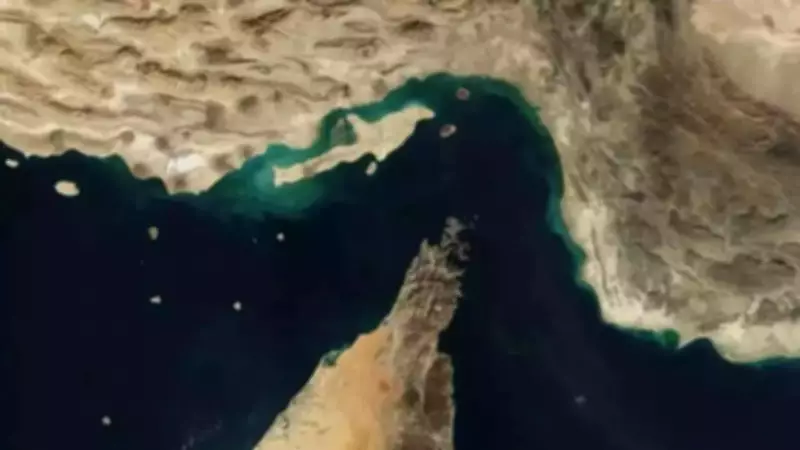
Iran Advances Draft for New Strait of Hormuz Navigation Regime
In a significant development for Middle Eastern maritime affairs, Iranian Deputy Foreign Minister Kazem Gharibabadi announced on Thursday that Tehran has nearly finalized the first draft of a new navigation protocol for the Strait of Hormuz. This strategic waterway, a critical global oil transit route, is poised for enhanced regulatory measures aimed at bolstering security and facilitating smoother maritime traffic.
Final Stages of Protocol Preparation
During an exclusive interview with Sputnik, Gharibabadi revealed that the draft protocol is currently in its final stages of preparation. He emphasized that once the document is fully ready, Iran will initiate formal negotiations with Oman to develop a joint solution. "The draft of this protocol is currently in the final stages of preparation. Once we have it ready, we will begin negotiations with Oman so that we can draft a joint protocol," Gharibabadi stated, underscoring the collaborative approach Tehran intends to pursue with its neighboring coastal state.
Key Provisions of the New Navigation Regime
The proposed protocol mandates that all vessels transiting the Strait of Hormuz must secure necessary agreements with the coastal states—Iran and Oman. Gharibabadi clarified that these requirements are not designed as restrictive measures but are instead focused on facilitating traffic, ensuring the safe passage of ships, and providing essential services to vessels navigating the strait without complications. He added that the security of the strait will be robustly ensured, with Iran and Oman assuming greater responsibility for maritime safety in the region.

Enhanced Maritime Security and Responsibility
Gharibabadi highlighted that the new regime aims to strengthen the security framework of the Strait of Hormuz, with both Iran and Oman playing pivotal roles in safeguarding this vital maritime corridor. The protocol is expected to introduce standardized procedures that will streamline operations for shipping companies while maintaining high safety standards. This move comes amid ongoing regional tensions and underscores Iran's proactive stance in managing its territorial waters and international maritime obligations.
Implications for Global Trade and Regional Stability
The Strait of Hormuz is a linchpin for global energy supplies, with approximately one-fifth of the world's oil passing through its narrow channels. The establishment of a new navigation regime could have far-reaching implications for international trade, particularly in the oil and gas sectors. By fostering closer cooperation with Oman, Iran seeks to create a more predictable and secure environment for maritime transit, potentially reducing risks associated with geopolitical conflicts in the Middle East.
Future Steps and Diplomatic Engagement
As Iran prepares to engage Oman in negotiations, the international community will be closely monitoring the outcomes of these talks. The joint protocol is anticipated to address key aspects such as vessel clearance processes, emergency response mechanisms, and environmental protections. Gharibabadi's announcement signals Tehran's commitment to diplomatic solutions and regional cooperation, marking a potential shift towards more structured governance in one of the world's most strategic waterways.






