Iranian Diplomat Delivers Scathing Rebuke to Trump at New Delhi Forum
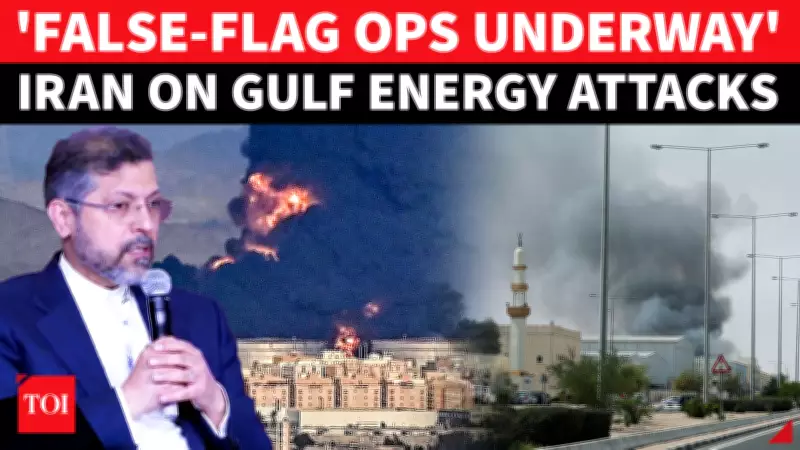
In a fiery address that captured international attention, Iran's Deputy Foreign Minister Saeed Khatibzadeh launched a pointed critique against former U.S. President Donald Trump regarding his comments about influencing Iran's political leadership. The diplomatic confrontation unfolded during the prestigious Raisina Dialogue event, hosted by the Observer Research Foundation in New Delhi on March 6, 2026.
Mocking Remarks Highlight Diplomatic Tensions
Khatibzadeh specifically targeted Trump's suggestions that Washington could play a role in determining Iran's next leader, dismissing the notion with biting sarcasm. The Iranian diplomat highlighted what he called the fundamental irony in Trump's position: "He talks about regime change in Iran when he cannot even appoint New York's mayor." This remark underscored Tehran's perspective that the United States should focus on its own domestic governance challenges before attempting to influence other nations' political systems.
Escalating Regional Conflict Context
The verbal exchange occurs against a backdrop of significantly heightened tensions between Washington and Tehran, as broader regional conflicts continue to intensify. The complex geopolitical landscape involves multiple actors including:

- The United States and its strategic interests in the Middle East
- Israel's ongoing security concerns and military operations
- Iran's regional influence and proxy networks
- Various militant groups operating across multiple fronts
Khatibzadeh's comments represent more than mere diplomatic posturing—they reflect the deepening divide between Iranian and American positions on regional security matters. The Iranian official's decision to deliver these remarks at an international forum in India demonstrates Tehran's strategy of using multilateral platforms to challenge U.S. foreign policy narratives.
Broader Implications for US-Iran Relations
This diplomatic confrontation highlights several critical aspects of the ongoing US-Iran relationship:
- Persistent disagreements over sovereignty and non-interference principles
- Continued rhetorical warfare despite occasional diplomatic openings
- Regional power dynamics that extend beyond bilateral relations to involve multiple Middle Eastern nations
- Domestic political considerations in both countries that influence foreign policy positions
The exchange at the Raisina Dialogue serves as a reminder that diplomatic tensions between Washington and Tehran remain elevated, with both sides continuing to use international platforms to advance their respective narratives and challenge each other's legitimacy. As regional conflicts show no signs of abating, such verbal confrontations are likely to continue characterizing the complex relationship between the United States and Iran in the foreseeable future.