

India's Defense Budget Soars 15.19% to Modernize Military Architecture
The Union Budget for 2026 has announced a significant 15.19% increase in defense spending, allocating Rs 7,84,678 crore to the sector. This substantial hike aims to address the rapidly evolving nature of warfare and support the restructuring of the Indian armed forces' battle architecture following recent strategic developments.
Key Allocations and Strategic Focus
Finance Minister Nirmala Sitharaman's budget emphasizes capital expenditure, which has surged by an unprecedented 21.84% to Rs 2,19,306 crore. This funding is crucial for acquiring new weapons, advanced systems, fighter jets, ships, submarines, and artillery. Capital spending now constitutes 27.95% of the total military budget, bolstered by an additional Rs 1,58,296 crore earmarked for operational readiness, including enhanced border deployments, extended naval missions, and increased aircraft flying hours.
Major General Ashok Kumar (retd), Director General of the Centre for Joint Warfare Studies, highlights that this budget aligns with India's growing comprehensive national capabilities. The defense allocation accounts for 2% of the estimated GDP and 14.67% of central government expenditure, making it the highest among all ministries.

Driving Factors Behind the Increase
The budget hike is driven by the need to adapt to modern warfare trends, particularly the shift towards non-contact warfare, which reduces close-range combat in favor of long-range precision strikes. This necessitates investments in advanced technologies such as:
- Long-range missiles and precision artillery
- Robust air defense systems
- State-of-the-art sensors and radars for surveillance
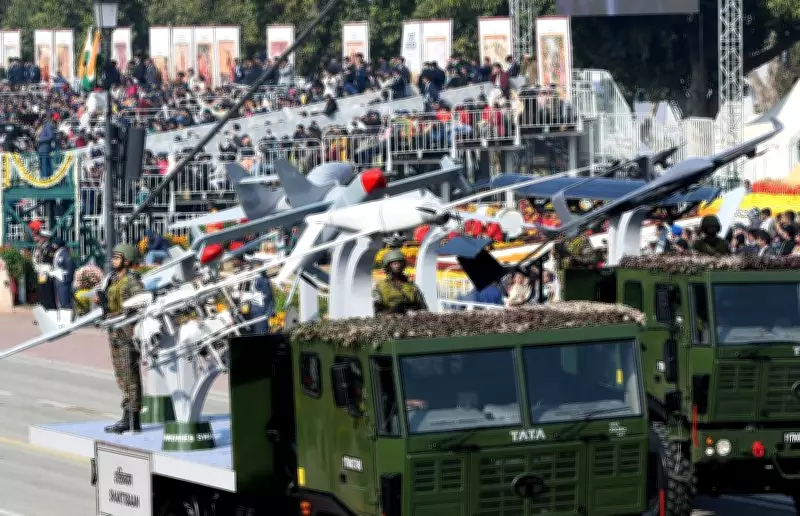
- Multiple types of drones for reconnaissance and attack missions
Post-Operation Sindoor, the Ministry of Defence has secured contracts worth Rs 2.1 lakh crore, focusing on next-generation equipment. Air Vice Marshal Anil Golani (retd) of the Centre for Aerospace Power and Strategy Studies notes that while 2% of GDP is currently adequate, it should serve as a baseline for future benchmarks.
Emphasis on Domestic Production and Self-Reliance
A key aspect of the budget is the push for self-reliance in defense manufacturing. Approximately 75% of capital acquisition funds, totaling Rs 1.39 lakh crore, are allocated for procurement through domestic industries. This initiative supports ongoing projects, including:
- Construction of around 60 warships at Indian shipyards
- Domestic assembly of fighter jets, helicopters, artillery guns, and rifles
- Upcoming contracts for next-generation submarines with ThyssenKrupp Marine Systems and Mazagon Dock Shipbuilders Limited
- Potential deal for 114 Rafale jets to be manufactured in India
Ashish Kansal, CEO of SMPP and Co-Chair of FICCI's Defence Committee, expresses confidence in the domestic industry's capacity to meet these demands, citing years of built-up capability and quality.
Restructuring and Future Preparedness
The four-day skirmish with Pakistan has prompted significant changes in military architecture. The Indian Army is integrating more technology, such as loitering ammunition and swarm drones, to enhance non-contact warfare capabilities. The Indian Air Force is proposing an increase from 42 to 50 or more fighter squadrons to handle potential two-front conflicts with China and Pakistan, with orders for additional Tejas Mark1A jets and indigenous air defense systems.
The Navy is accelerating warship production and expanding its fleet with maritime reconnaissance aircraft, utility helicopters, shipborne drones, and autonomous boats. These efforts reflect a broader strategy to ensure swift, targeted strikes and maintain operational superiority in a dynamic geopolitical landscape.






