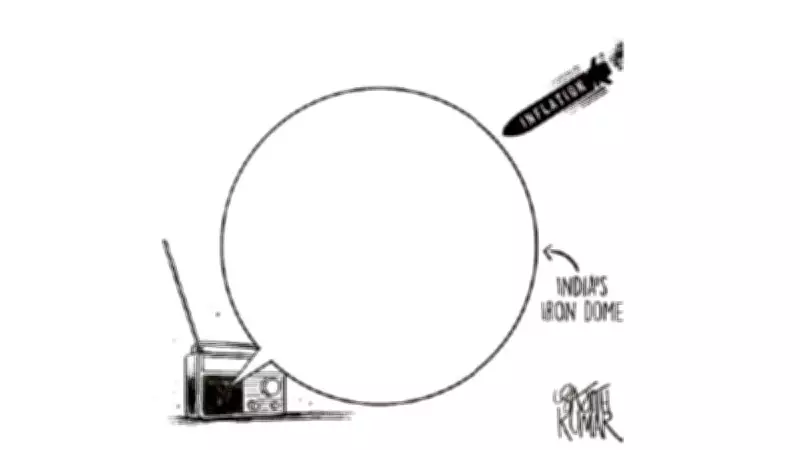
India's Strategic Push for an Indigenous Iron Dome System
In a significant move to bolster its national security framework, India is actively pursuing the development of an indigenous missile defense system inspired by Israel's renowned Iron Dome. This initiative marks a pivotal step in India's defense strategy, aiming to create a robust shield against aerial threats such as drones, rockets, and missiles. The project underscores India's commitment to enhancing its technological prowess and self-reliance in critical defense sectors.
Enhancing Defense Capabilities Amid Regional Challenges
The decision to develop an Iron Dome-like system comes in response to evolving security challenges in the region, including cross-border tensions and the proliferation of advanced weaponry. By leveraging indigenous research and development, India seeks to deploy a cost-effective and efficient defense mechanism that can intercept multiple threats simultaneously. This system is expected to integrate advanced radar, tracking, and interception technologies, providing comprehensive protection for key installations and populated areas.
Key objectives of this initiative include:

- Reducing dependency on foreign defense imports and fostering domestic innovation.
- Improving response times to aerial attacks to minimize civilian and military casualties.
- Strengthening India's position as a global leader in defense technology and strategic autonomy.
Technological Innovations and Strategic Implications
The development of India's version of the Iron Dome involves collaboration between defense research organizations, private sector firms, and academic institutions. This multi-stakeholder approach aims to accelerate the deployment of the system while ensuring it meets international standards of reliability and effectiveness. Experts highlight that such a defense shield could significantly alter the security dynamics in South Asia, deterring potential aggressors and promoting regional stability.
Moreover, this project aligns with India's broader goals under initiatives like 'Make in India' and 'Atmanirbhar Bharat' (Self-Reliant India), which emphasize indigenous manufacturing and innovation in defense and other critical sectors. The successful implementation of this missile defense system could serve as a model for other nations seeking to enhance their security through homegrown solutions.
Future Prospects and Global Context
As India progresses with its Iron Dome ambition, it faces challenges such as high development costs, technological complexities, and the need for continuous upgrades to counter emerging threats. However, the potential benefits—including enhanced deterrence, reduced vulnerability to attacks, and economic gains from defense exports—make this a strategic priority. In the global context, India's efforts contribute to the ongoing evolution of missile defense technologies, positioning the country as a key player in international security discussions.
In conclusion, India's pursuit of an indigenous Iron Dome system represents a forward-looking approach to national defense, blending innovation with strategic foresight. This endeavor not only aims to safeguard the nation but also reinforces India's role as a technologically advanced and resilient power on the world stage.