Geopolitics and India's Fragile Energy Dependence: A Call for Strategic Autonomy
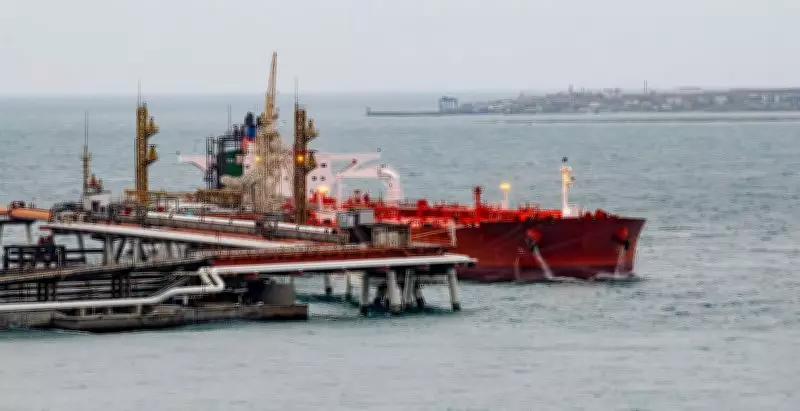
The recent US-Israeli strikes on Iran and the subsequent Gulf-wide retaliation have rendered the Strait of Hormuz nearly impassable, triggering a severe disruption in global energy markets. Brent crude prices have surged past $90 per barrel, marking the most significant energy market upheaval since the 1970s. For India, a nation heavily reliant on imported oil and gas, this crisis poses an immediate and profound challenge to energy security, economic stability, and household energy affordability.
India's Critical Dependence on the Strait of Hormuz
India's energy import profile reveals a concerning concentration of risk. Approximately half of the nation's crude oil imports transit through the Strait of Hormuz, primarily sourced from key Gulf suppliers like Iraq, Saudi Arabia, Kuwait, and the United Arab Emirates. The dependence is even more acute for gas imports, with 53% of liquefied natural gas (LNG) and a staggering 90% of liquefied petroleum gas (LPG) shipments passing through this strategic maritime chokepoint.
Should the strait face a prolonged blockade, a substantial portion of the Gulf's energy output would be unable to reach global markets. While alternative infrastructure exists, such as Saudi Arabia's East-West pipeline to the Red Sea and the UAE's Fujairah pipeline, these routes cannot fully compensate for the closure of such a vital artery. The global oil market currently possesses minimal shock-absorbing capacity, amplifying the crisis. In response, the Indian government has prioritized LPG supplies for households, a move that has left commercial consumers, restaurants, and food delivery services grappling with severe supply cuts and potential closures.

The Russian Crude Waiver and a Lesson in Transactional Politics
In a significant geopolitical pivot, the United States has granted India a 30-day sanctions waiver to purchase Russian crude oil already at sea. This development is particularly ironic, given that Washington had spent over a year pressuring New Delhi to reduce its reliance on Russian energy, even imposing punitive tariffs on Indian exports linked to these purchases. By January 2026, Russian crude's share in India's import basket had dwindled to 21%, its lowest level since late 2022, while imports from West Asia surged to multi-year highs.
This shift came at a cost. India's cumulative savings from purchasing discounted Russian crude between 2022 and 2024 were estimated at $16.7 billion. Redirecting demand to the Gulf increased the nation's exposure to the Hormuz chokepoint. The core lesson is not about preferring Russian or Gulf oil; it is that over-dependence on any single corridor or supplier constitutes a strategic liability.
India's Deepening Energy Ties with Russia
India's cumulative oil and gas investments in Russia represent the largest component of its overseas hydrocarbon portfolio. Furthermore, the largest volume of oil extracted overseas by Indian public sector undertakings originates from Russian assets. In a reciprocal relationship, Russia's Rosneft and its partners own and operate India's second-largest refinery and its largest private-sector fuel retail network.
Other pillars of bilateral energy cooperation include the Kudankulam nuclear power project and Gazprom's contracted LNG deliveries to GAIL. Following the US waiver, Indian refiners have reportedly secured approximately 30 million barrels of Russian crude, with about 9.5 million barrels on vessels near Indian waters. Estimates suggest Russia could meet up to 40% of India's crude requirements if Gulf supplies remain disrupted.
The Imperative of Strategic Autonomy and Multi-Alignment
The swift American pivot from penalizing to facilitating Russian oil purchases for India reveals the transactional nature of such geopolitical pressure. The US tariff surcharge served as an instrument of leverage, applied or withdrawn based on American convenience. This volatility underscores why India's energy policy must not be subject to external whims. The nation's foreign policy, rooted in strategic autonomy and multi-alignment, must be mirrored in its energy procurement strategies.

The Hormuz crisis forces a frank assessment of India's vulnerabilities. Beyond energy, 63% of India's nitrogen fertilizer imports originate from the Gulf and transit the strait, creating a double vulnerability affecting both energy and food security. Whether concerning energy, food, or advanced defense platforms, the pattern is one of excessive external dependence.
While long-term goals must focus on reducing this dependence across critical sectors, the practical near-term solution lies in robust multi-alignment. Maintaining close, productive ties with all major global partners ensures that no single external actor gains disproportionate leverage, thereby building the resilience necessary for genuine strategic choice. Multi-alignment is the essential bridge on the path to self-reliance.
Building a Resilient and Diversified Energy Future
India must fully exploit the current 30-day waiver to bolster immediate energy security while formulating a comprehensive, long-term strategy. Energy procurement decisions should be guided by price, quality, reliability, and India's own assessment of supply security—not by external political pressures. Diversifying energy sources and transit routes remains a central priority to strengthen resilience against disruptions, market volatility, and geopolitical coercion.
Key strategic actions include:
- Accelerating the expansion of strategic petroleum reserves and ensuring they remain adequately stocked to cushion against future supply shocks.
- Expanding storage capacity for critical fuels, including LPG.
- Viewing investment in renewable energy not only through a climate policy lens but as a strategic imperative for energy independence.
- Aggressively pursuing the national target of 500 GW of renewable capacity by 2030, encompassing solar power, offshore wind, biofuels, green hydrogen, and nuclear energy.
- Applying the principle of multi-alignment to emerging technologies like small modular reactors (SMRs), collaborating with nuclear powers like Russia, France, and the US to prevent any single country from controlling the fuel supply, technology, or maintenance chains.
- Pursuing pragmatic diplomacy to maintain open channels with all major global players, leveraging India's role as a central node in the new energy geography.
India has demonstrated its capacity to import crude from diverse suppliers, refine it efficiently, and export petroleum products. Managed prudently, this intermediate processing role can transform a position of vulnerability into one of strategic leverage. As the world's third-largest oil consumer, fourth-largest refiner, and fifth-largest exporter of petroleum products, India possesses significant scale and economic standing. These assets must be leveraged to secure energy on India's own terms, guided by a steadfast, national interest-driven strategic calculus, rather than the shifting priorities of other nations.