

India's Unyielding Position in Trade Negotiations with the United States
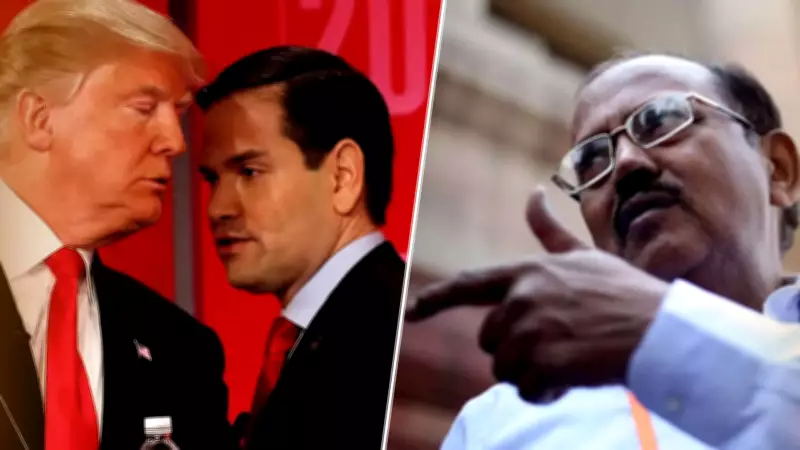
A recent report has shed light on a pivotal moment in India-US diplomatic relations, revealing a firm message from New Delhi that significantly altered the dynamics of trade discussions between the two nations. According to Bloomberg, National Security Advisor Ajit Doval delivered a clear warning to US Secretary of State Marco Rubio, emphasizing India's refusal to succumb to bullying tactics from President Donald Trump's administration.
The Context of Doval's Warning
The warning emerged during a period of heightened tension in bilateral ties, marked by punitive tariffs imposed by the United States and sharp rhetoric from Washington. Relations had reached a low point, with trade disputes threatening to undermine the strategic partnership between the two democracies. Doval's outreach was aimed at resetting these ties while drawing unambiguous red lines on issues of sovereignty and strategic autonomy for India.
Key Elements of India's Message
India's stance was multifaceted and resolute:

- Rejection of Bullying: Doval explicitly stated that India would not accept any form of coercion or bullying in trade negotiations, signaling a departure from passive diplomacy.
- Strategic Patience: The NSA conveyed that India is prepared to wait out President Trump's term if necessary, highlighting a long-term perspective over short-term pressures.
- Dialogue Over Diktats: The core message from New Delhi was clear: India is open to constructive dialogue but firmly opposes unilateral demands or diktats from the US.
Impact on Trade Relations
This firm approach appears to have yielded positive results. Following Doval's intervention, there was a noticeable shift in the tone of engagements, leading to renewed leader-level discussions. Eventually, President Trump announced rollbacks on some of the punitive tariffs, indicating a thaw in the trade standoff. However, Indian officials have maintained a cautious stance, not confirming the sweeping claims made by the US President regarding market access and purchase commitments.
Underlying Principles and Future Outlook
Officials in New Delhi have underscored that while the United States remains a key strategic partner, India's long-term national interests take precedence over any short-term external pressure. This episode reinforces India's commitment to protecting its economic sovereignty and pursuing an independent foreign policy. The message resonates beyond trade, reflecting a broader assertion of India's growing geopolitical confidence and its willingness to stand firm on principles of mutual respect in international relations.
As trade negotiations continue, this incident serves as a reminder of the delicate balance in India-US ties, where cooperation is valued but not at the expense of India's autonomy. The outcome suggests that a more equitable framework for dialogue may be emerging, one that acknowledges India's position as a significant global player rather than a subordinate partner.






