

India's New e-Passport: A Game-Changer for UAE-Based Expats
Indian expatriates residing in the United Arab Emirates are being strongly encouraged to transition to India's newly introduced chip-enabled e-Passport. This advanced travel document is engineered to streamline international journeys, bolster safety measures, and align seamlessly with worldwide immigration protocols. The initiative is a cornerstone of India's Passport Seva Programme 2.0 (GPSP 2.0), which aims to revolutionize passport services through digital innovation and robust security enhancements.
What Exactly is the e-Passport?
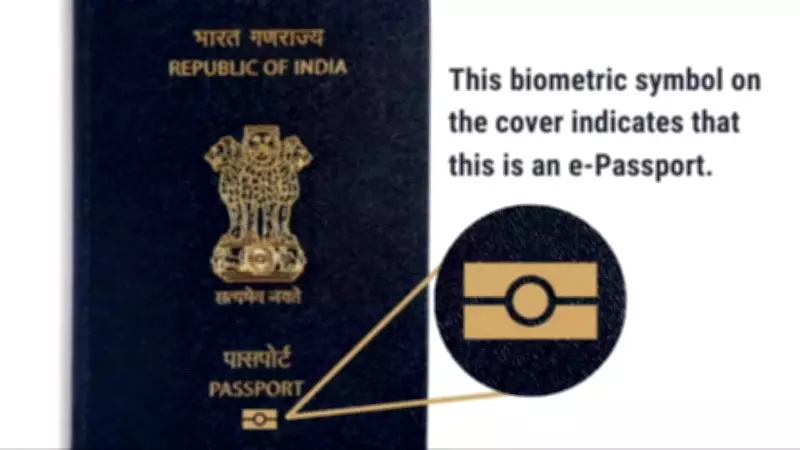
Diverging from conventional passports, the e-Passport incorporates a secure Radio Frequency Identification (RFID) chip embedded directly within the booklet. This chip securely stores the holder's biometric information, including photographs and fingerprints, in an encrypted format. A distinctive gold-coloured symbol on the front cover typically indicates the presence of this embedded chip.
This RFID-equipped document adheres to International Civil Aviation Organization (ICAO) standards, ensuring global recognition for automated identity verification and heightened security. UAE-based Indian citizens can now initiate applications for these e-Passports through the Indian Embassy in Abu Dhabi or the Consulate in Dubai, with the official rollout commencing in October 2025 under the GPSP 2.0 framework.

Expedited Immigration and Superior Travel Experience
One of the most significant advantages of the e-Passport is the substantial reduction in immigration wait times. Travelers utilizing automated lanes, such as SmartGates and e-gates at airports, can navigate border control far more swiftly compared to traditional manual inspections. Reports suggest that these streamlined processes can slash average wait times from approximately 25 minutes to under five minutes at major UAE airports.
These expedited channels are not confined to the UAE; Indian e-Passport holders may also benefit from automated border controls in nations like Singapore, Australia, and other countries with established e-Passport infrastructure, thereby smoothing travel for frequent flyers.
Robust Security and Fraud Prevention Mechanisms
The embedded chip in the e-Passport employs advanced encryption and Public Key Infrastructure (PKI) technology to ensure that biometric and identity data is securely stored and authenticated at international checkpoints. This sophisticated security framework makes it exceedingly difficult for fraudsters to tamper with or counterfeit passport information, thereby enhancing the overall integrity of travel documents.
These security upgrades are in sync with global initiatives to mitigate passport fraud and identity theft, providing both travelers and authorities with greater confidence in document authenticity.
GPSP 2.0: A Comprehensive Digital Passport Ecosystem
The transition to e-Passports is part of a broader digital transformation under the Passport Seva Programme 2.0 (GPSP 2.0). This upgraded system prioritizes ease of application, transparency, and online services for passport issuance. GPSP 2.0 enables applicants to upload photographs, signatures, and documents digitally, reducing dependence on physical forms and minimizing waiting periods at service centers such as BLS International.
For the estimated 3.5 million Indian residents in the UAE, this translates to a fully digital, end-to-end passport application experience that diminishes bureaucratic hurdles and enhances user convenience.

Key Reasons for UAE-Based Indians to Apply Promptly
- Seamless Travel Through Automated Gates: Indian e-Passports grant access to ICAO-compliant automated immigration systems at international airports, including those in the UAE, India, and other supporting nations, drastically reducing queues and processing durations.
- Future-Proof Document for Global Mobility: As digital visa programs like the UK ETA and EU ETIAS become prevalent, e-Passport holders are better equipped to meet integrated and secure travel documentation demands.
- Enhanced Data Security: The embedded chip and modern security protocols significantly lower risks associated with tampering, forgery, and identity theft, addressing sophisticated fraud attempts.
- Faster and More Transparent Service: GPSP 2.0's online platform reduces manual interactions, allowing applicants to complete more steps online and decrease visits to BLS centers, with minor errors correctable without full re-submission.
Validity of Existing Passports
Yes, current passports without a chip remain fully valid until their expiration dates. Indian missions in the UAE have clarified that no additional biometrics or fees are required solely due to the e-Passport rollout. Applicants who have recently provided biometrics will not need to resubmit them merely because of the new document type.
However, travelers planning extensive international travel or frequent journeys are advised to transition early to the e-Passport to proactively enjoy the comprehensive benefits.
e-Passport Application Process for UAE Residents
Starting October 28, 2025, all Indian passport applications in the UAE, encompassing renewals and new passports, must be submitted via the GPSP 2.0 portal. This platform supports online registration, document uploads, and appointment scheduling at BLS centers in Dubai and Abu Dhabi.
Applicants must ensure their photographs comply with ICAO standards to prevent delays or rejections. These stringent photo requirements, introduced in September 2025, apply universally to all passport applications, including e-Passports.
India's new chip-enabled e-Passport marks a significant advancement in travel document technology, offering accelerated immigration processing, fortified security, and future-proof compatibility with global systems. For UAE-based Indians, applying now through the modern GPSP 2.0 digital process promises smoother travel experiences across the Gulf region and worldwide.





