India Intensifies Gulf Engagement with High-Level Ministerial Visits
In a significant diplomatic maneuver, India has launched a renewed engagement initiative with key Gulf nations. This strategic push comes against the backdrop of a fragile ceasefire in West Asia, aiming to solidify partnerships and secure vital energy supplies.
Ministerial Missions to Strengthen Strategic and Energy Ties
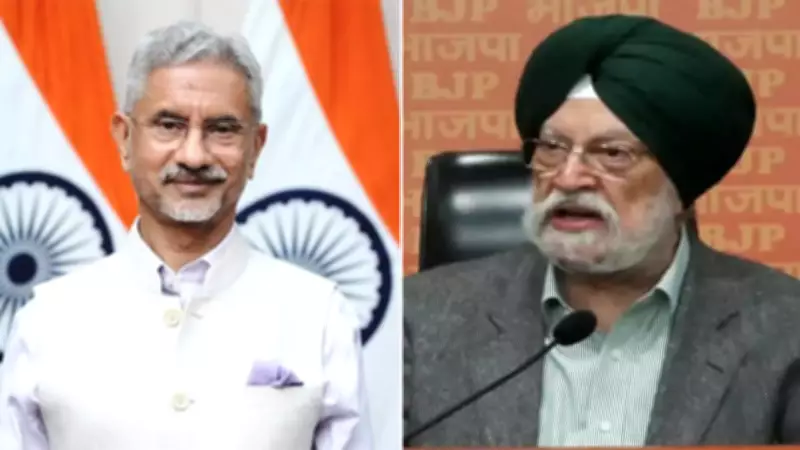
Union External Affairs Minister S Jaishankar is scheduled to arrive in the United Arab Emirates (UAE) on Saturday. His visit is designed to deepen the comprehensive strategic partnership with this crucial Gulf ally. Simultaneously, Petroleum and Natural Gas Minister Hardeep Singh Puri has embarked on a two-day official visit to Doha, Qatar.
These coordinated visits mark a pivotal moment as India seeks to navigate the post-conflict landscape in the region. Puri's trip is notably the first by an Indian minister to the Gulf since the onset of regional tensions on February 28. Upon arrival in Doha, he was welcomed by India's ambassador to Qatar and senior officials from QatarEnergy, the state-owned petroleum and natural gas corporation.

Ceasefire Welcomed, Energy Security Paramount
India has officially welcomed the ceasefire between Iran and the US-Israel alliance, expressing optimism that this development will facilitate the restoration of vessel movement through the strategically critical Strait of Hormuz. This key maritime chokpoint had been effectively shut down for nearly a month due to the conflict, severely disrupting global energy logistics.
The resumption of shipping through the strait is of paramount importance to India's energy security. The nation relies heavily on imports for its energy needs:
- India imports approximately 50% of its liquefied natural gas (LNG) and about 60% of its liquefied petroleum gas (LPG).
- A substantial portion of these imports originates from Doha, with Qatar being the largest supplier of LNG to India, accounting for over 40% of its global LNG imports.
- The UAE holds a pivotal role as well, serving as India's fourth largest source for crude oil and its second largest source for both LNG and LPG.
Securing Long-Term Energy Contracts and Future Supplies
Minister Puri's discussions in Qatar are particularly focused on reinforcing and securing India's long-term energy agreements. India maintains major contractual commitments with QatarEnergy, which are essential for its future energy stability:
- A 17-year agreement with Gujarat State Petroleum Corporation for the supply of 1 million tonnes per annum, commencing in 2026.
- A 20-year extension of an existing contract with Petronet LNG, ensuring 7.5 million tonnes per annum from 2028 through 2048.
While the specifics of the ministerial discussions remain confidential, Sujata Sharma, Joint Secretary in the Ministry of Petroleum and Natural Gas, indicated that detailed outcomes will be disclosed upon Minister Puri's return. The overarching goal is clear: to ensure a stable and secure flow of energy resources to India, leveraging the current diplomatic window opened by the ceasefire.
This dual-ministerial initiative underscores India's proactive approach to safeguarding its economic and strategic interests in the Gulf, reinforcing ties with indispensable energy partners during a critical juncture of regional recalibration.