Indian Embassy in Riyadh Engages with CBSE Schools Amid Regional Unrest
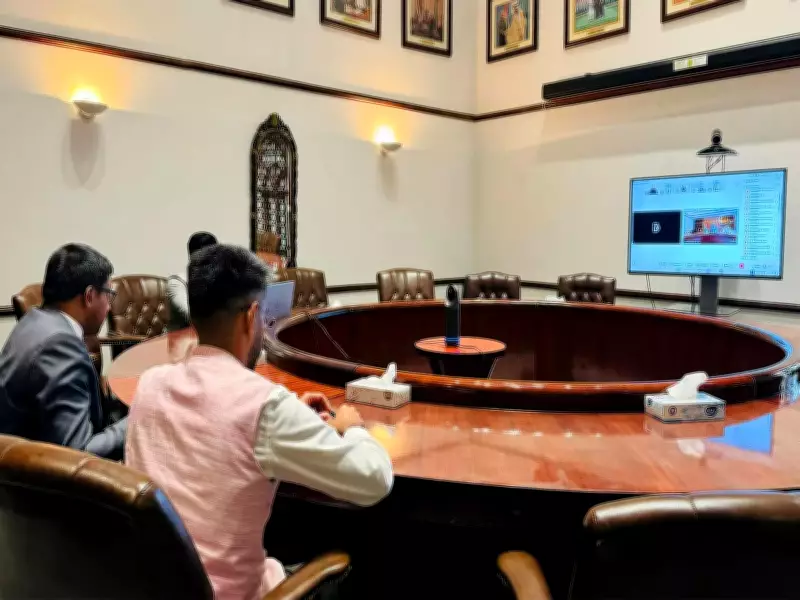
In response to escalating tensions across West Asia, the Indian Embassy in Riyadh has taken proactive steps to address concerns within the Indian educational community. Deputy Chief of Mission Abu Mathen George, accompanied by First Secretary Vipul Bawa, conducted a comprehensive virtual interaction with principals of schools across Saudi Arabia that are affiliated with the Central Board of Secondary Education (CBSE).
Embassy Provides Updates and Addresses Examination Concerns
During the detailed online session, DCM George provided a thorough briefing on the current regional situation and outlined the embassy's various initiatives designed to support the Indian community during this period of uncertainty. A significant portion of the discussion focused specifically on queries related to the CBSE Board Examinations, which have been directly impacted by the ongoing conflict.
The CBSE has implemented substantial changes to its examination schedule in light of the deteriorating security situation across multiple West Asian nations. In an official circular released on Sunday, the board announced the cancellation of all Class XII examinations scheduled between March 16 and April 10 for students residing in seven countries: Bahrain, Iran, Kuwait, Oman, Qatar, Saudi Arabia, and the United Arab Emirates.

Comprehensive Examination Cancellations Implemented
The board has extended these cancellations to include previously postponed examinations as well. According to the CBSE statement, "Examinations which were earlier postponed vide circular dated 01.03.2026, 03.03.2026, 05.03.2026, 07.03.2026 and 09.03.2026 shall also stand cancelled." This decision follows the earlier cancellation of Class X board examinations that were originally scheduled to take place from February 17 to March 11.
The virtual meeting between embassy officials and school principals served as a crucial communication channel during this period of academic disruption. The embassy's engagement demonstrates its commitment to maintaining clear lines of communication with educational institutions serving Indian students abroad, particularly during times of regional instability.
Regional Conflict Context and Broader Implications
The examination cancellations occur against the backdrop of a widening conflict in West Asia involving multiple nations. The United States, Israel, and Iran have been targeting each other's energy infrastructure, creating significant threats to global oil and gas supplies and increasing regional tensions.
In related developments, Iranian Foreign Minister Abbas Araghchi has made statements regarding maritime security in the strategically vital Strait of Hormuz. While asserting that the waterway remains open to international shipping, Araghchi indicated that vessels from the United States and Israel would not be permitted passage through this crucial maritime corridor. These remarks, reported by The Jerusalem Post citing an interview with US news outlet MS NOW, highlight the complex geopolitical dynamics affecting the region.
The Indian Embassy's virtual interaction with CBSE school principals represents a coordinated effort to address both immediate educational concerns and broader community welfare issues as Indian nationals navigate the challenges presented by the regional conflict.