A significant diplomatic development has unfolded concerning India's crucial eastern neighbour, Bangladesh. A group of former Indian diplomats has publicly expressed support for former Prime Minister Sheikh Hasina, simultaneously casting a shadow over the legitimacy and direction of the current interim administration led by Nobel laureate Muhammad Yunus.
Diplomatic Backing for Hasina and Scrutiny of Interim Rule
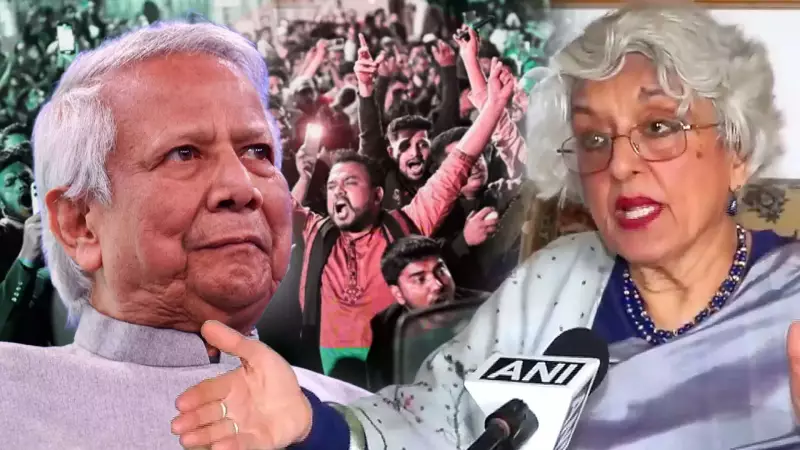
The intervention by seasoned Indian diplomats, including veteran Veena Sikri, has intensified the scrutiny on the unelected caretaker government in Dhaka. The core of their concern revolves around two major issues: the perceived erosion of democratic norms and a worrying shift in Bangladesh's foreign policy stance towards India.
Sikri has pointedly questioned the democratic credentials of an interim regime that was not chosen by the people. She warned that non-participatory elections would not gain acceptance from the Bangladeshi public, suggesting that the current arrangement lacks a popular mandate. This diplomatic critique adds substantial weight to the ongoing debate about Bangladesh's political future.

Rising Anti-India Narrative and Law & Order Concerns
Compounding the political uncertainty are serious allegations that the Yunus-led administration is fostering an anti-India narrative while failing to control a deteriorating law and order situation. A critical flashpoint was the killing of radical leader Osman Hadi.
The incident took a diplomatic turn when attempts were made, reportedly without concrete evidence, to blame India for Hadi's death. This move significantly damaged bilateral trust. In a move that raised further alarms, Muhammad Yunus publicly pledged to continue Hadi's political ideology. Foreign policy analysts note that this ideology explicitly advocates for distancing Bangladesh from its largest neighbour, India.
Strained Ties and an Uncertain Future
The confluence of these events—diplomatic unease, questions of legitimacy, and a potential foreign policy pivot—indicates that India-Bangladesh relations are entering a phase of serious strain. The open support from Indian experts for Sheikh Hasina signals a clear preference for a known political entity with whom India has historically maintained strong ties.
As Dhaka's political direction comes under sharper international focus, the stability of the bilateral relationship, vital for regional security and economic cooperation, hangs in the balance. The interim government's actions in the coming months, especially regarding electoral processes and its diplomatic posture, will be closely watched in New Delhi and global capitals.