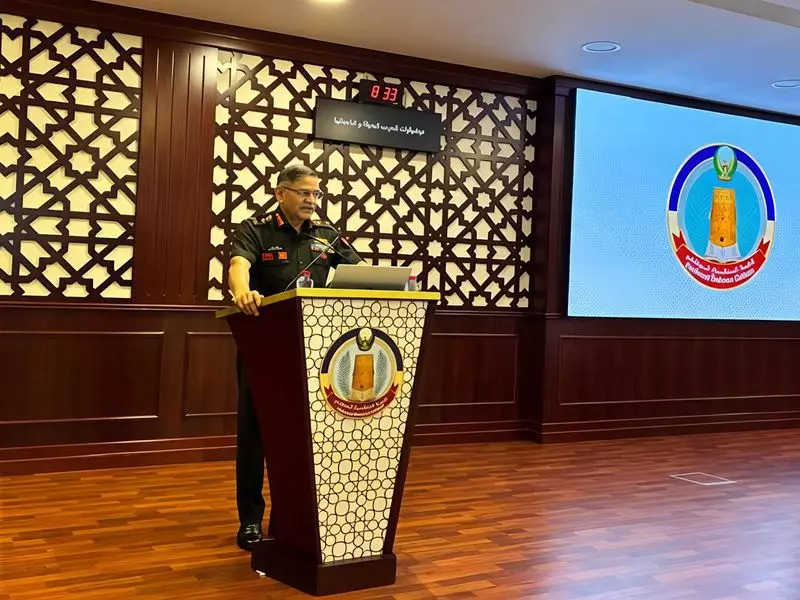
Indian Army Chief General Upendra Dwivedi delivered a significant address to officers of the United Arab Emirates National Defence College, highlighting the complex and evolving nature of global security challenges. The engagement, which took place on Wednesday, underscores the deepening strategic and defence partnership between India and the UAE.
Strengthening Strategic Ties Through Dialogue
During his interaction, General Dwivedi engaged in a comprehensive discussion with the senior military officers from the UAE. The forum served as a pivotal platform to exchange perspectives on the contemporary security landscape. The Army Chief emphasized the critical importance of robust military-to-military cooperation and the sharing of strategic insights between the two nations. This dialogue is seen as a key step in fortifying the bilateral defence relationship, which has been growing steadily over recent years.
Navigating a Complex Security Environment
General Dwivedi's lecture focused intently on the multifaceted security threats that define the current era. He pointed out that these challenges are no longer confined by traditional geographical boundaries and are constantly evolving in their nature and scope. The discussion covered a wide spectrum of issues, including transnational threats, cyber warfare, and the implications of emerging technologies on defence and warfare. By addressing the UAE defence officers, General Dwivedi aimed to foster a mutual understanding of these shared concerns and explore collaborative approaches to ensure regional and global stability.

A Partnership Built on Mutual Interests
The visit and address by the Indian Army Chief are not isolated events but part of a sustained pattern of high-level defence exchanges between India and the UAE. Both countries view each other as crucial partners in maintaining peace and security in their respective regions. This interaction at the National Defence College level is instrumental in building long-term professional and personal bonds between the future military leadership of the two nations. It aligns with the broader comprehensive strategic partnership, which encompasses not just defence but also trade, energy, and cultural ties.
The engagement concluded on a forward-looking note, with both sides reaffirming their commitment to continued dialogue and cooperation. As security paradigms shift, such direct conversations between military leaders and strategists are vital for developing cohesive and effective responses to the uncertainties of the future.