In a significant strategic shift, the Indian Army has fundamentally restructured its artillery arm, transforming it from a supporting element into a core strike formation. This move aims to create a more agile, integrated, and devastatingly effective force capable of dominating future battlefields.
The Genesis of a Strategic Overhaul
The decision to recast the artillery is not an overnight development but the culmination of evolving military doctrine. It gained formal approval in 2018 and has been implemented progressively. The transformation was driven by the need to move beyond traditional concepts where artillery primarily provided fire support to infantry and armored units.
The new model envisions the artillery as a primary strike force in its own right. This involves creating self-contained, powerful groupings that can independently shape the battlefield and deliver decisive blows. The restructuring is closely aligned with the army's push towards forming Integrated Battle Groups (IBGs), which are leaner, more flexible formations tailored for specific theatres and tasks.

Pillars of the New Artillery Strike Corps
The recast focuses on several key areas to amplify firepower and operational synergy. A major component is the integration of rockets and missiles directly under artillery command. This means systems like the Pinaka multi-barrel rocket launchers and various precision-guided missiles are now organically part of the artillery's arsenal, allowing for seamless planning and execution of deep-strike operations.
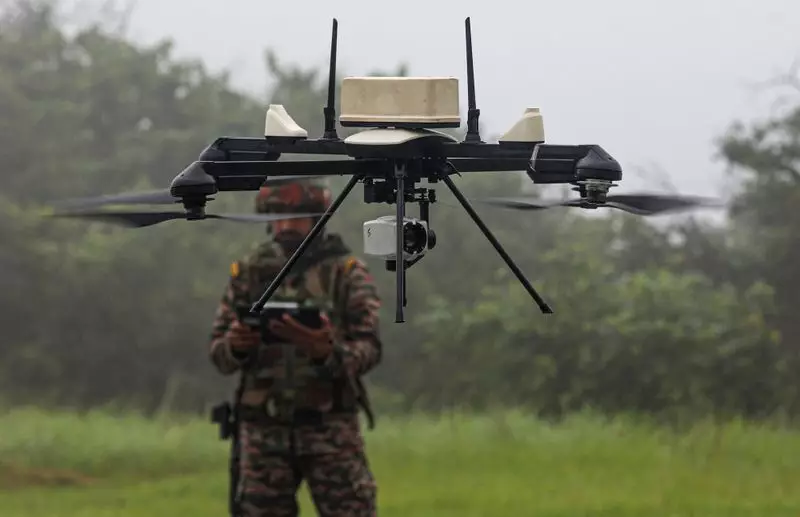
Furthermore, the restructuring emphasizes enhanced surveillance and target acquisition. Modern artillery cannot function without real-time intelligence. The integration of advanced drones, radars, and reconnaissance systems ensures that the new strike formations can see farther, identify targets accurately, and engage them with pinpoint precision before the enemy can react.
The concept also calls for greater operational autonomy and mobility. These artillery-centric strike groups are designed to be rapidly deployable, capable of operating in dispersed formations, and delivering concentrated firepower where it hurts the enemy the most. This represents a move towards a more technology-intensive and network-centric warfare approach.
Implications for India's Defense Posture
This transformation carries profound implications for India's military capabilities, particularly along its active borders. By creating a dedicated and powerful artillery strike corps, the army significantly enhances its proactive operational capabilities. It sends a clear message of deterrence, showcasing an ability to launch swift and massive fire assaults.
The reorganization addresses the challenges of modern, short-duration conflicts where initial firepower dominance is crucial. It allows the Indian Army to potentially seize the initiative at the onset of hostilities. The focus on integration with IBGs ensures that firepower, maneuver, and intelligence are fused into a single, cohesive fist.
In essence, the artillery is no longer just the "king of battle" in a supporting role; it is being crowned as a key "queen" on the strategic chessboard, capable of delivering game-changing moves. This recast is a definitive step towards building a future-ready army that can fight and win the wars of the 21st century.