India Vigilantly Observes Escalating Pakistan-Afghanistan Conflict
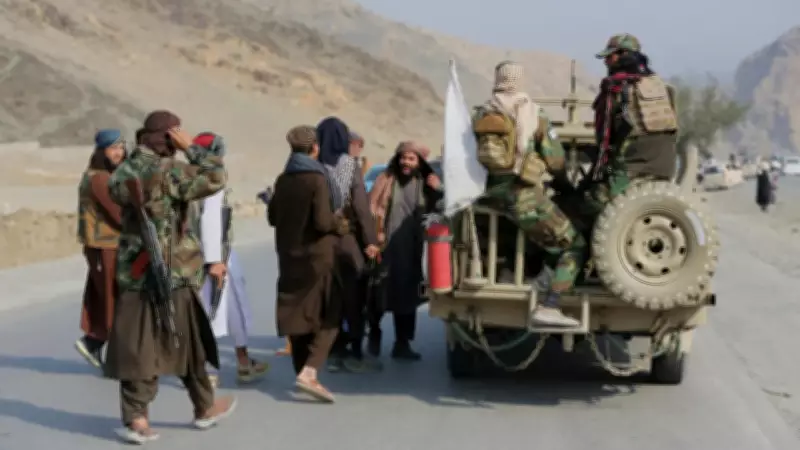
India is maintaining a close watch on the volatile situation as Afghanistan and Pakistan appear headed toward a dangerous military escalation. The tension reached a critical point when Islamabad declared the two nations to be in an "open war" following Pakistan's airstrikes on what it described as "terrorist hideouts" within Afghan territory, which prompted immediate retaliatory actions from Afghanistan.
Historical Context of Deteriorating Relations
The relationship between Pakistan and Afghanistan has dramatically deteriorated over recent years. Pakistan has consistently blamed the Tehreek-i-Taliban (TTP), also known as the Pakistan Taliban, for orchestrating terrorist attacks on its soil. In response, Islamabad has conducted multiple targeted strikes against TTP positions. Additionally, Pakistan alleges that Baloch insurgent groups find safe haven in Afghanistan. Kabul has typically responded with what it terms as necessary and measured military counteractions.
However, the current escalation marks a significant intensification. Pakistan's recent operations have not only targeted alleged terrorist infrastructure but have also directly struck Afghan military facilities in Kabul and other major cities, raising the stakes considerably.

India's Evolving Relationship with the Taliban
During this period of regional upheaval, India's own diplomatic stance toward the Taliban has undergone a remarkable transformation. This shift was initially driven by India's provision of large-scale humanitarian aid to Kabul. It has since evolved into a commitment to support the development needs of the Afghan people, a strategy that operates despite the Taliban regime's lack of broad international recognition.
India's response to the ongoing Pakistan-Afghanistan crisis reflects this new geopolitical reality, one that presents a direct challenge to Islamabad's regional influence. New Delhi has consistently maintained that Pakistan's cross-border military actions, which often result in civilian casualties, are merely a tactic to divert attention from its internal governance failures. Furthermore, India has strongly reaffirmed its support for Afghanistan's sovereignty, territorial integrity, and political independence.
This diplomatic support has yielded tangible reciprocation from the Taliban. In a move that caused significant consternation in Islamabad, the Taliban endorsed a joint statement during Afghan Foreign Minister Amir Khan Muttaqi's visit to India in October of last year that explicitly mentioned Jammu and Kashmir as an integral part of India.
Balancing Strategic Gains Against Regional Instability
While an openly antagonistic relationship between Pakistan and Afghanistan alleviates some of India's long-standing concerns about Islamabad's strategy of using Afghan territory for "strategic depth," a full-scale military conflict poses severe risks. Such an escalation would threaten regional stability far beyond what India considers acceptable. It arrives at a particularly inopportune moment for New Delhi, which, after enjoying a period of relative peace, is actively seeking to resume and expand its development initiatives within Afghanistan.
Critically, India is currently evaluating a proposal from the Taliban to invest in Afghanistan's lucrative mining sector—a domain where China is already making aggressive inroads. Concurrently, India is exploring collaborative opportunities with Afghanistan on hydroelectric power projects. For Indian strategists, this is a pivotal time to capitalize on the robust working relationship it has cultivated with the Taliban-led administration.
A regional war, or its potential spillover effects such as a massive humanitarian crisis or a refugee exodus, could severely undermine India's nascent but steadily expanding economic and strategic footprint in a Taliban-governed Afghanistan. Therefore, India's monitoring of the crisis is not merely observational but is deeply intertwined with its own strategic and economic ambitions in the region.