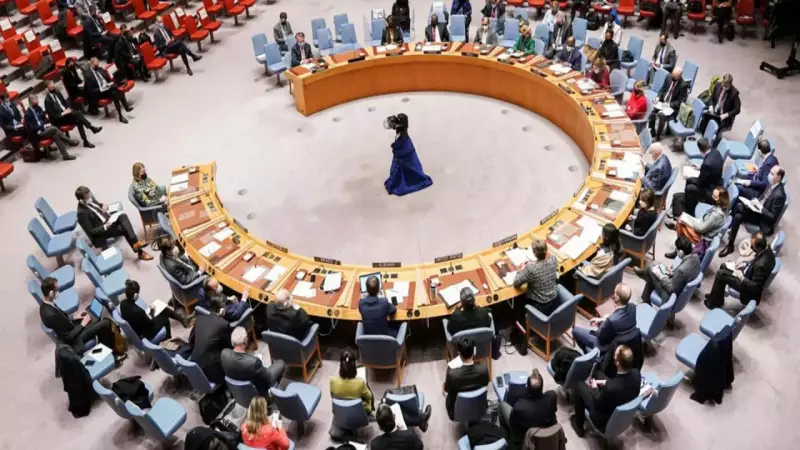
In a significant diplomatic move, India has aligned with China, Pakistan, and four other nations to vote against a United Nations Human Rights Council resolution that strongly condemned the Iranian government's handling of recent protests. The resolution, which extended the mandate of a fact-finding mission on Iran by two years, was adopted by the 47-member body with 25 votes in favour, 7 against, and 14 abstentions.
India's Principled Stance on Sovereignty
India's decision to oppose the resolution underscores its long-standing principle of non-interference in the internal affairs of sovereign nations. This vote is particularly noteworthy as it comes at a time when Iran faces intense international pressure, especially from the United States, over the protests that erupted in late December 2025.
Iran's ambassador to India, Mohammad Fathali, swiftly expressed gratitude for India's support, describing it as "principled and firm." In a post on social media platform X, he stated that India's stance reflects its commitment to justice, multilateralism, and national sovereignty, while opposing what he termed an "unjust and politically motivated resolution."

Historical Voting Patterns and Strategic Shifts
India has a consistent history of voting against country-specific human rights resolutions at the UN, viewing them as intrusive and politically driven. However, there have been subtle shifts in its approach. In 2022, when the fact-finding mission on Iran was initially established, India chose to abstain rather than vote against it.
This changed in 2024 when India abstained due to comments made by Iranian authorities on the Jammu and Kashmir issue. By 2025, after receiving assurances from Iran that it would refrain from commenting on India's internal matters, India returned to its traditional position of voting against such resolutions.
Strategic Autonomy and Economic Interests
India's vote is not merely a reflection of its diplomatic principles but also aligns with its strategic and economic interests. A key factor is the Chabahar port in Iran, which India views as crucial for enhancing connectivity with Afghanistan and Central Asian countries.
The port has been under scrutiny from the US, with the Trump administration revoking a sanctions waiver in 2024 before extending it until April 2026. This temporary reprieve has allowed India to continue its engagement, and Indian officials have confirmed ongoing discussions with the US to secure a more permanent arrangement.
According to sources speaking on condition of anonymity, India's rejection of the resolution is tied to its need to maintain a functional relationship with Iran, ensuring the viability of the Chabahar project. This strategic consideration highlights India's broader policy of strategic autonomy, where it prioritizes national interests over alignment with major blocs in international forums.
Context of the UN Resolution
The resolution strongly deplored the violent crackdown on peaceful protests in Iran, which reportedly resulted in the deaths of thousands, including children, and led to numerous injuries and arrests. It authorized the fact-finding mission to investigate the repression that began on December 28, 2025.
India viewed the special session called by the Human Rights Council to address Iran's deteriorating human rights situation as unwarranted, further justifying its vote against the resolution. This stance reinforces India's traditional skepticism toward country-specific investigative mechanisms, which it often perceives as biased or politically motivated.
By voting against the resolution, India has not only reaffirmed its commitment to sovereignty and non-interference but also signaled its willingness to support Iran amid global backlash, driven by both principle and pragmatic interests in regional connectivity and economic partnerships.