India Calls for Restraint and Diplomacy Amid Escalating West Asia Conflict
India has expressed profound concern regarding the rapidly escalating conflict in West Asia, which was triggered early Saturday morning when the United States and Israel launched coordinated military strikes against Iran. In an official statement released by the Ministry of External Affairs, New Delhi emphasized the urgent need for peaceful resolution through diplomatic channels.
Official Statement Urges De-escalation and Civilian Safety
"India is deeply concerned at the recent developments in Iran and the Gulf region," the ministry's statement declared. "We urge all sides to exercise restraint, avoid escalation, and prioritise the safety of civilians. Dialogue and diplomacy should be pursued to de-escalate tensions and address underlying issues."
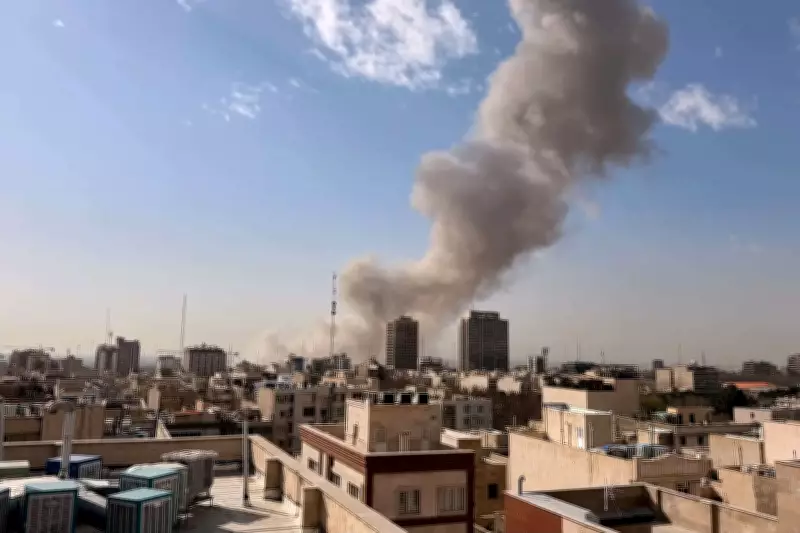
The statement further emphasized that "sovereignty and territorial integrity of all states must be respected" as a fundamental principle in international relations. This diplomatic intervention comes amid reports of significant military actions across the region, including missile strikes and explosions heard in multiple Gulf capitals.

Security Advisories Issued for Indian Nationals in Conflict Zone
In response to the deteriorating security situation, Indian diplomatic missions across West Asia have activated emergency protocols to ensure the safety of Indian citizens residing or traveling in the affected areas.
- The Embassy of India in Tehran has advised all Indian nationals to remain cautious and limit their movement until further notice.
- The Embassy of India in Tel Aviv issued a separate advisory stating, "In view of the prevailing security situation in the region, all Indian nationals in Israel are advised to exercise utmost caution and remain vigilant at all times."
- Indian missions throughout the region are maintaining continuous contact with Indian communities and have issued appropriate security advisories asking citizens to stay in contact with diplomatic missions and follow local security guidance.
Background of the Military Escalation
The conflict escalation began when Israel launched what it described as a preemptive strike against Iran, with Defense Minister Israel Katz declaring a "special and immediate state of emergency throughout the country." The United States participated in what has been characterized as a daylight attack on Iranian targets, reportedly closing the window for diplomatic solutions to Tehran's nuclear dispute with Western powers.
According to regional reports:
- The strikes targeted locations near the offices of Supreme Leader Ayatollah Ali Khamenei, though the 86-year-old leader had been relocated to a secure location prior to the attacks.
- Sirens sounded across Israel as citizens received emergency alerts warning of an "extremely serious" threat level.
- The military action represents a significant escalation in long-standing tensions between Iran, Israel, and Western powers regarding Iran's nuclear program and regional influence.
India's diplomatic statement and security advisories reflect the growing international concern about the potential for broader regional conflict and the immediate humanitarian implications for civilians caught in the crossfire. The situation remains fluid with diplomatic efforts continuing behind the scenes to prevent further escalation.