The Indian government has formally acknowledged and expressed deep concern over a report detailing a significant number of violent incidents targeting minority communities in neighbouring Bangladesh. The focus of the report is the period associated with the tenure of Nobel laureate Muhammad Yunus.
India's Official Stance and Concerns
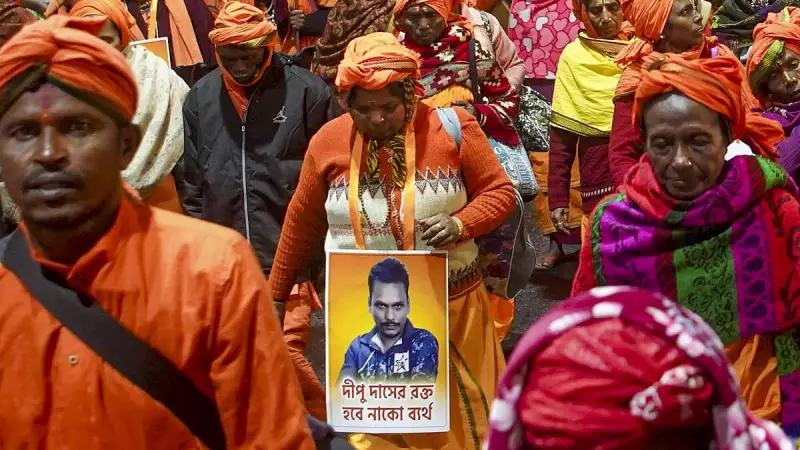
In a significant diplomatic communication, the Ministry of External Affairs (MEA) of India stated it is closely monitoring the developments unfolding in Bangladesh. The report, which has garnered international attention, claims that over 2,900 incidents of violence against minorities were recorded during the time Muhammad Yunus held a prominent position in the country's governance structure.
While not detailing the specific nature of each incident, the sheer volume cited by the report has raised serious questions about communal harmony and the security of vulnerable groups. India's response underscores its vested interest in the stability of its immediate neighbourhood.

Call for Peace and Democratic Integrity
Beyond just monitoring, the Indian MEA used its statement to reiterate a consistent and principled position. It firmly reiterated India's support for peace, stability, and the conduct of free, fair, inclusive, and participatory parliamentary elections in Bangladesh. This emphasis on electoral integrity is seen as a cornerstone for long-term stability and the protection of all citizens' rights, regardless of their community.
The statement, dated 27 December 2025, serves as a clear diplomatic signal. It balances concern over the alarming reports with a forward-looking appeal for democratic processes. India's relationship with Bangladesh is multifaceted, encompassing deep historical, cultural, and economic ties, making internal stability in Dhaka a matter of direct interest for New Delhi.
Broader Implications and the Path Forward
The revelation of such a high number of incidents puts a spotlight on the challenges of safeguarding minority rights in the region. For India, a nation with its own diverse social fabric, developments in Bangladesh resonate closely. The call for inclusive elections is particularly pointed, suggesting that true participatory democracy is viewed as the most effective remedy for sectarian strife and violence.
As the situation develops, the international community will be watching how Bangladeshi authorities address the concerns highlighted in the report. India's measured but firm statement places it as a key stakeholder advocating for a peaceful and democratic resolution, emphasizing that the future of the region depends on the coexistence and security of all its people.