Political tensions have escalated in India following the brutal lynching of a Hindu man in neighboring Bangladesh. The incident, which occurred recently, has drawn sharp condemnation from opposition leaders and intensified scrutiny of India's foreign policy stance towards its neighbor.
Condemnation of Mob Violence and Rising Tensions
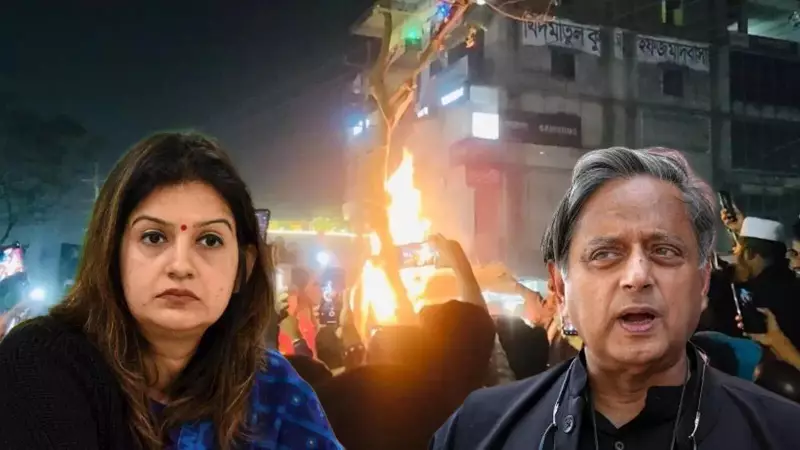
Senior Congress leader and MP Shashi Tharoor issued a strong condemnation of the killing, describing it as a symptom of rising mob rule in Bangladesh. He identified the victim as Dipu Chandra Das and called the event deeply disturbing. Tharoor warned that such violence poses a direct threat to democracy and stability, a concern magnified by the approaching elections in Bangladesh.
While reports indicate that the interim government in Dhaka has taken action by arresting seven suspects in connection with the case, significant questions remain unanswered. The primary focus of the inquiry is on what measures can be implemented to prevent such tragic incidents from recurring in the future.

Opposition Targets Modi Government Over Silence
The political fallout quickly crossed borders, with Shiv Sena (UBT) MP Priyanka Chaturvedi launching a direct attack on the Indian government. She accused the Modi administration of failing to raise its voice forcefully enough as Hindu minorities face attacks in the region. Chaturvedi emphasized that India must act decisively, especially as radical elements appear to be gaining ground in its immediate neighborhood.
Broader Implications for India's Foreign Policy
This episode has placed India's neighborhood policy under intense scrutiny. Analysts and politicians are debating the appropriate level and method of response to human rights violations occurring across its borders. The incident forces a difficult conversation about balancing diplomatic relations with the imperative to speak out against violence targeting minority communities with cultural and religious ties to India.
The political reactions, marked by Tharoor's warning and Chaturvedi's criticism, highlight a growing pressure on the central government to define and execute a clear, principled stance. The coming days will reveal how this tragic event influences diplomatic engagements and India's broader strategic posture in South Asia.